
Soy Wax Manufacturers & Suppliers : China
What is Soy Wax?
Soy wax is a natural vegetable wax made from soybean oil, which is a byproduct of processing soybeans. The production process starts with harvesting, cleaning, cracking, de-hulling, and rolling the soybeans into flakes. Then, the oil is extracted from these flakes using solvent extraction or mechanical pressing methods. This crude oil is refined to remove impurities and undergoes hydrogenation, a process that changes unsaturated fats into saturated fats. This solidifies the oil to create soy wax with a high melting point, smooth texture, and excellent burning properties. The final refined soy wax is a pure, high-quality wax used widely across various industries.
Soy Wax:
Smooth, Versatile, Natural Waxes
Soy wax is becoming the standard in waxes because it is renewable, biodegradable, and versatile. Companies in China prefer soy wax for its eco-friendly profile, cost-effective production, and suitability for candles, cosmetics, and food coatings. Its clean-burning quality and ability to blend well with fragrances and dyes make it attractive for manufacturers who want to meet consumer demand for sustainable and high-performance products.

Capacity Snapshot
Mount Wilder’s refineries produce 90 tonnes of refined soy wax each month, ensuring a strong supply to meet the growing demand. This capacity supports reliability and scalability for commercial needs.
Our group has two solvent extraction plants that process over 500 tonnes of raw material each day, providing a steady supply of soybean oil feedstock crucial for continuous wax refinement.
A fully integrated oil refinery with a daily capacity of 105 tonnes supports our wax refinery, ensuring high-quality input and smooth production continuity for refined soy wax manufacturing.
- China's Wax Landscape & Application s
Soy Wax Applications & Use-Cases in China
Mount Wilder’s natural waxes help Dutch industries make products that are more premium, durable, and appealing. Here are the main application areas and the benefits of using natural waxes.
Candles
Natural waxes improve candle products by enabling longer, cleaner burns with better scent dispersion. These features create premium candles that are highly sought after in German and European markets for sustainability and performance.
Cosmetics
Natural waxes improve cosmeceutical formulations by enhancing texture, hydration, and protective qualities, aligning with consumer preferences in Germany for natural and organic beauty products.
Inks
Natural waxes boost the durability, adhesion, and resistance of inks, supporting sustainable packaging and printing industries focused on eco-friendly solutions.
Polishes
Natural waxes deliver superior shine, durability, and environmental safety in polish applications, meeting the demands of Germany’s high-quality industrial and consumer markets.
Industrial Coatings
Natural waxes provide corrosion resistance and flexibility in coatings, important qualities appreciated in German manufacturing sectors prioritizing sustainable production methods.
Adhesives
Natural waxes improve adhesive stability, tackiness, and temperature resistance, contributing to robust performance in the automotive and packaging industries in Germany.
Food Coatings
Natural waxes create safe, edible coatings that maintain freshness and shelf life without synthetic chemicals, preferred by Germany’s clean-label food producers.
Pharmaceutical Coatings
Natural waxes serve as effective, biodegradable coatings, ensuring drug safety, controlled release, and compliance with Germany’s strict pharmaceutical regulations.
Paper Coatings
Natural waxes give water resistance and printability to paper products, supporting environmentally friendly packaging solutions sought after by German companies.
Industrial Lubricants
Natural waxes improve viscosity, oxidation resistance, and thermal stability in lubricants, supporting efficiency and sustainability in Germany’s heavy industry sectors.
Soy Wax: Sustainable & 100% Natural
Soy wax is a plant-based, renewable, and biodegradable alternative to petroleum-based waxes, supporting China’s sustainability efforts and the EU’s climate goals. Its production process promotes zero-waste by converting soy solids into animal feed, maximizing resource efficiency. Being halal compliant, soy wax caters to ethically and culturally sensitive markets, broadening global acceptance while providing environmentally responsible solutions.

- Soy wax alternatives
Substitutes to Soy Wax
While Mount Wilder specializes in Sunflower wax, we also provide other natural options and can advise on comparisons with other waxes.


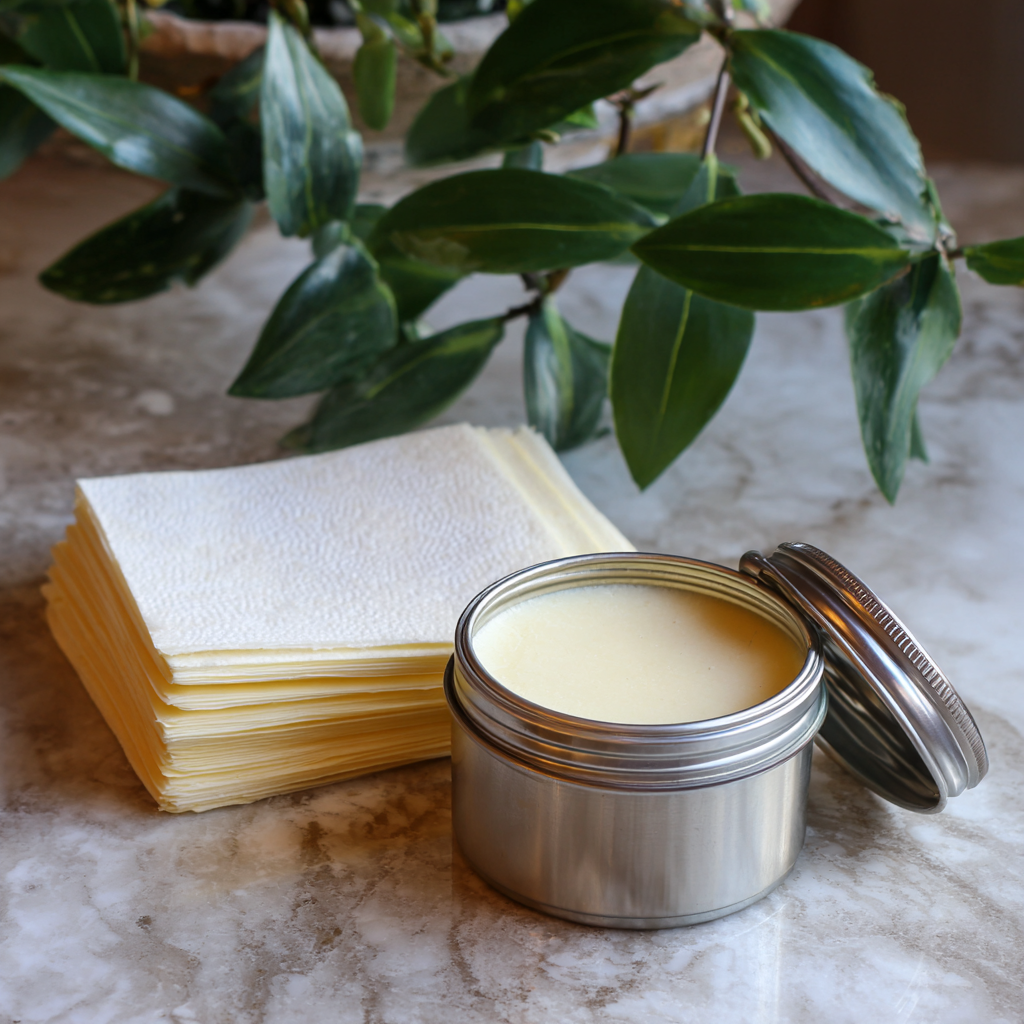



Rice Bran Wax
Rice bran wax is valued for its high melting point and firm texture, making it ideal for stable structures in cosmetics, food coatings, and personal care products. Its natural antioxidant content and superior moisturizing properties offer protection for skin while being eco-friendly, which manufacturers prefer.
Bees Wax
Beeswax is known for its unique emollient, antibacterial, and barrier properties, making it essential in skincare, pharmaceuticals, and wellness products. Its natural aroma and texture add value to formulations while supporting organic and eco-conscious market demands.
Candelilla Wax
Soy wax presents a more affordable alternative to candelilla wax in China due to its large-scale soybean production and efficient processing. It provides similar film-forming and emollient properties useful in cosmetics and personal care, allowing manufacturers to maintain product quality while reducing costs.
Paraffin Wax
Soy wax serves as a great natural alternative to paraffin wax in China since it is renewable, non-toxic, and biodegradable, unlike petroleum-derived paraffin. It offers similar texture, burn characteristics, and performance for candles and coatings, appealing to consumers who look for safer and eco-friendly products.
Sunflower Wax
Sunflower wax is prized for its hardness, smooth texture, and hypoallergenic qualities, making it perfect for vegan and natural products in cosmetics, food, and industrial applications. Its renewable sourcing and versatility make it desirable in clean-label and sustainable product lines.
Carnauba Wax
Soy wax is a cost-effective alternative to carnauba wax in China because it comes from widely cultivated soybeans, providing a more readily available and cheaper raw material. Additionally, soy wax offers similar melting points and textural qualities suitable for various applications, including cosmetics and candles, making it a practical and sustainable choice.
FT Wax
Soy wax is a natural alternative to FT (Fischer-Tropsch) wax in China because it is plant-based, biodegradable, and free from petrochemical origins. Its clean, renewable profile and excellent emulsifying and binding properties make it a preferred choice for manufacturers focused on meeting increasing environmental regulations.
- Mount Wilder Advantage
Why Choose Mount Wilder Waxes?
Customizable Batches
We offer tailored wax formulations to meet specific customer needs, enhancing product differentiation and innovation.
Recurring Deliveries
Our delivery system provides dependable, regular shipments across China, reducing inventory risk and facilitating smooth operations.
Supply Chain Ownership
Mount Wilder has complete control over the supply chain from raw soybeans to refined wax, ensuring consistent quality and reliable supply.
Product Development Support
Mount Wilder gives technical assistance and formulation expertise to optimize wax performance, speeding up client product development.
Easy Delivery Across China
Mount Wilder guarantees easy delivery throughout China with a well-established logistics network that takes advantage of recent advancements in cross-border transport between Vietnam and China. Efficient direct trucking routes and streamlined customs procedures significantly reduce transit times and shipping costs, enabling faster and more reliable deliveries. Our strategic partnerships with transport providers ensure timely distribution to vital industrial hubs and urban centers, supporting uninterrupted supply chains and meeting the changing demands of the Chinese market.