
Rice Bran Wax Manufacturers & Suppliers : Italy
What Is Rice Bran Wax?
Rice bran is the nutrient-rich layer located between the inner white rice grain and the rice husk. It is a valuable by-product of rice milling. The process used to extract rice bran wax begins with solvent treatment to obtain oil from the rice bran. This is followed by several refining steps, including degumming, neutralization, winterization (cooling), and filtration, which produce crude rice bran oil. To create high-quality rice bran wax, further purification occurs through processes such as hexane extraction, de-oiling, crystallization, and centrifugation. This results in a pure, odorless, and stable wax with a consistent melting point and reliable binding properties.
Rice Bran Wax:
The New Gold Standard
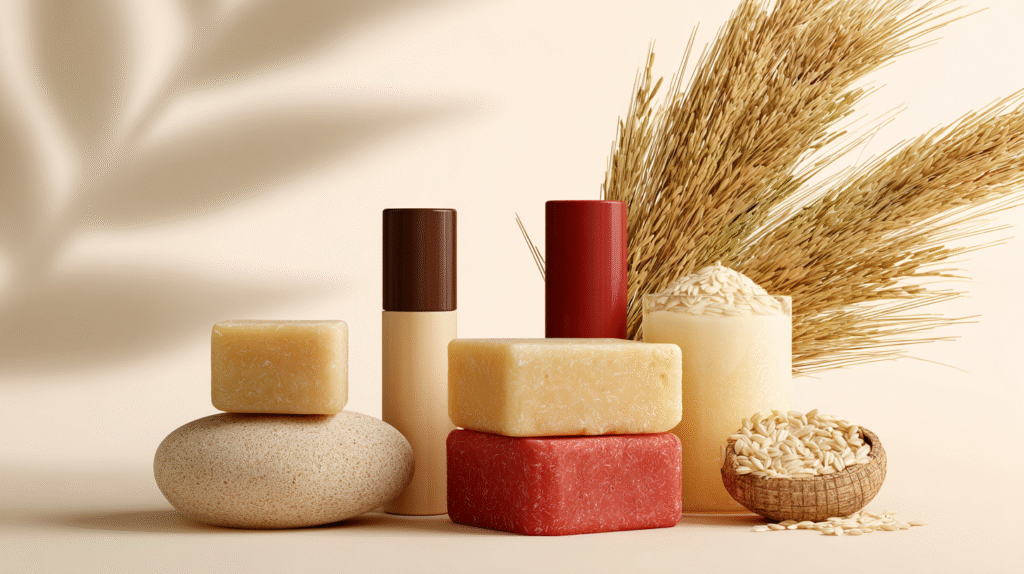
Rice bran wax is becoming the new standard for premium natural waxes. It is valued for its versatility, high melting point, and excellent gelling and thickening characteristics. Manufacturers in Italy favor rice bran wax because it acts as an effective emollient, texturizer, and barrier agent. It is used in a wide range of products, from luxury cosmetics and polishes to eco-friendly food coatings and pharmaceutical coatings. Italian companies are known for their commitment to quality, and they choose rice bran wax for its plant-based purity, consistency, and compatibility with Mediterranean product formulations where performance and sustainability are important.

Capacity Snapshot
Mount Wilder’s refining facilities produce up to 90 tonnes of premium rice bran wax each month. High-throughput technology ensures uniformity, stable color, and purity designed for Italy’s luxury and industrial markets.
The group operates two modern solvent extraction plants, each with a capacity of over 500 tonnes of raw bran per day. This capacity ensures a consistent supply and secures long-term contracts for Italian manufacturers who need reliable production.
Our wax refinery receives direct feedstock from an integrated oil refinery that operates at 105 tonnes per day. This integration provides Italian partners with traceability, transparency in the supply chain, and technical support from seed to shipment.
- Italy's Wax Landscape & Applications
Rice Bran Wax Applications & Use-Cases in Italy
Mount Wilder’s natural waxes help Dutch industries make products that are more premium, durable, and appealing. Here are the main application areas and the benefits of using natural waxes.
Candles
Natural waxes from Mount Wilder are valued by Italian candle makers for their smooth texture, excellent molding properties, and clean-burning qualities. These features align with Italy's artistic candle-making traditions and premium home fragrances.
Cosmetics
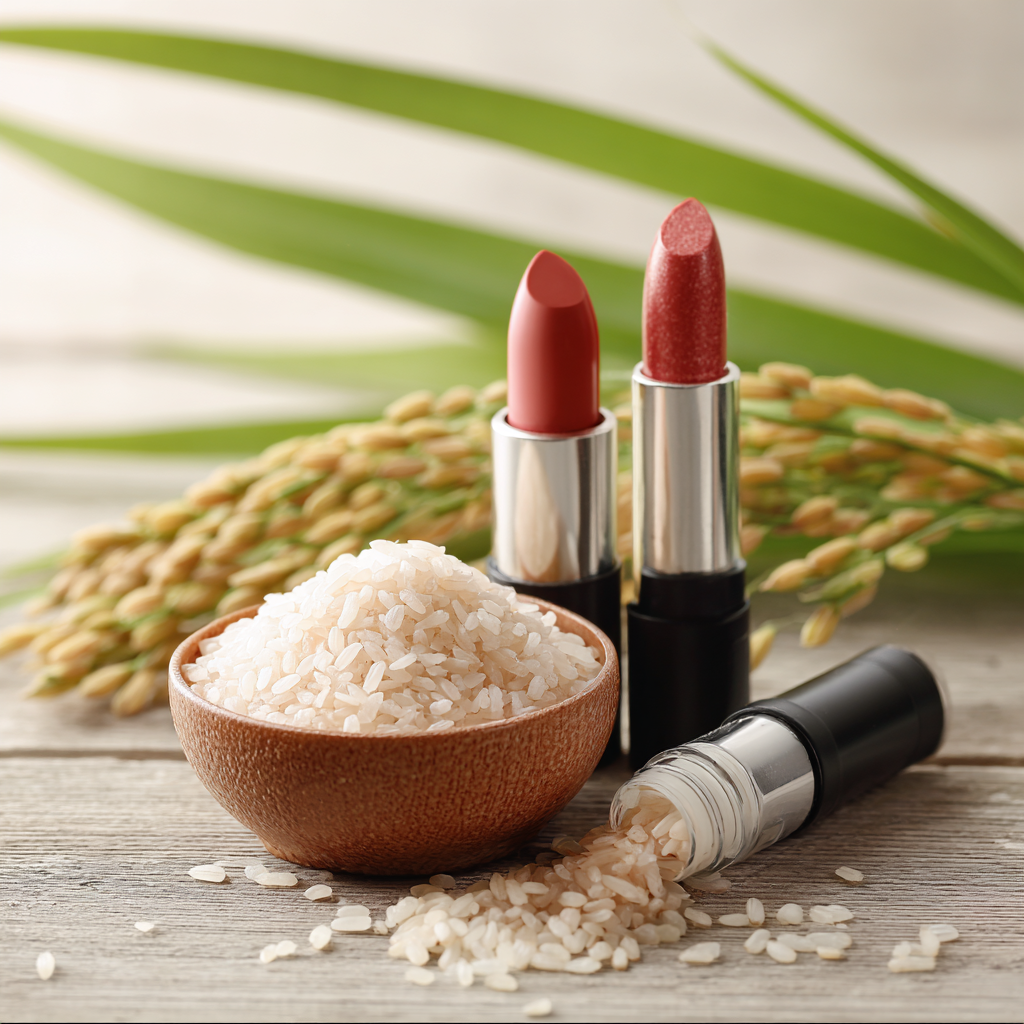
Italy’s cosmetics industry seeks performance and purity. Natural waxes offer desirable thickening, moisturizing, and film-forming properties for creams, balms, and makeup. This results in a luxurious texture and hypoallergenic formulations preferred by Italian consumers.
Inks
Mount Wilder’s natural waxes improve ink gloss, durability, and viscosity. These qualities are in demand by Italian printing and publishing sectors for high-quality labels, art prints, and exclusive packaging.
Polishes
Italian furniture and footwear brands gain from natural waxes that deliver deep luster, water resistance, and durability, supporting the country’s reputation for luxury goods and fine craftsmanship.
Industrial Coatings
In Italy, industrial coatings use these waxes for better abrasion and moisture resistance. They favor products that meet EU environmental rules and fulfill the needs of Italy’s diverse manufacturing sectors.
Adhesives
Mount Wilder’s waxes enhance flexibility, adhesion, and melt profile for adhesives used in Italian packaging, automotive, and specialty product assembly.
Food Coatings
As food safety and clean labels become increasingly important, Italian food and confectionery manufacturers apply natural wax coatings to improve gloss, protect freshness, and enhance product appeal throughout the country's renowned agri-food sector.
Pharmaceutical Coatings
Waxes aid in achieving uniform coatings and controlled-release functionalities in tablets and capsules. This is vital for Italy’s pharmaceutical and nutraceutical industries, which prioritize safety and innovation.
Paper Coatings
Italian packaging and fine paper businesses use natural waxes to achieve better printability, water resistance, and a premium tactile finish. These traits are essential for luxury packaging and stationery.
Industrial Lubricants
Natural waxes provide excellent thermal stability and lubrication, which are crucial for the machinery and manufacturing sectors in Italy’s industrial corridor.
Value of Rice Bran Waxes: Sustainable & 100% Natural
Rice bran wax is completely plant-based and stands out as a leading alternative to petroleum-derived waxes. It supports Italy’s and Europe’s climate goals with cleaner, renewable inputs. The zero-waste extraction process means that by-products are used for agricultural and industrial applications, reinforcing circular economy objectives. The product is Halal compliant and aligns with clean-label, eco-friendly trends among Italian and EU consumers.
- SUNFLOWER WAX ALTERNATIVES
Substitutes to Rice Bran Wax
While Mount Wilder specializes in rice bran wax, we also provide other natural options and can advise on comparisons with other waxes.

Sunflower Wax
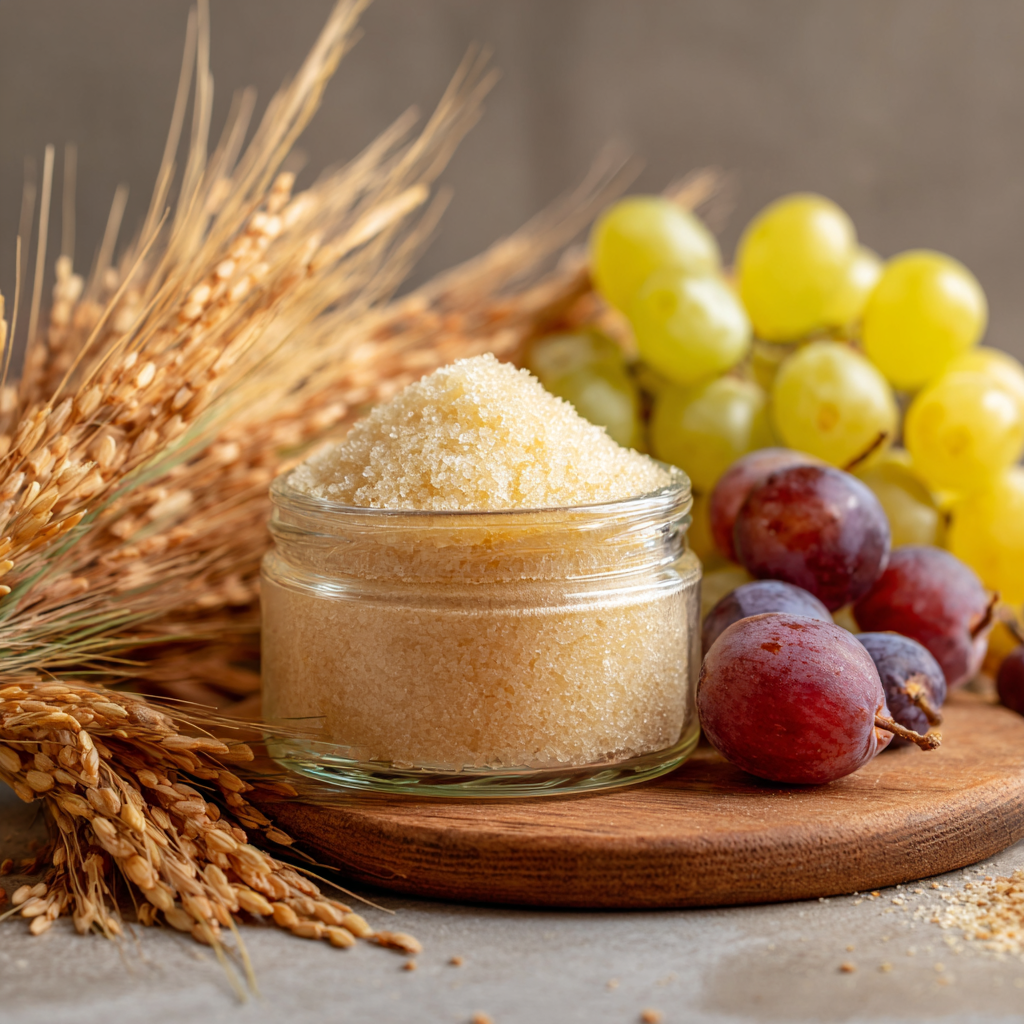
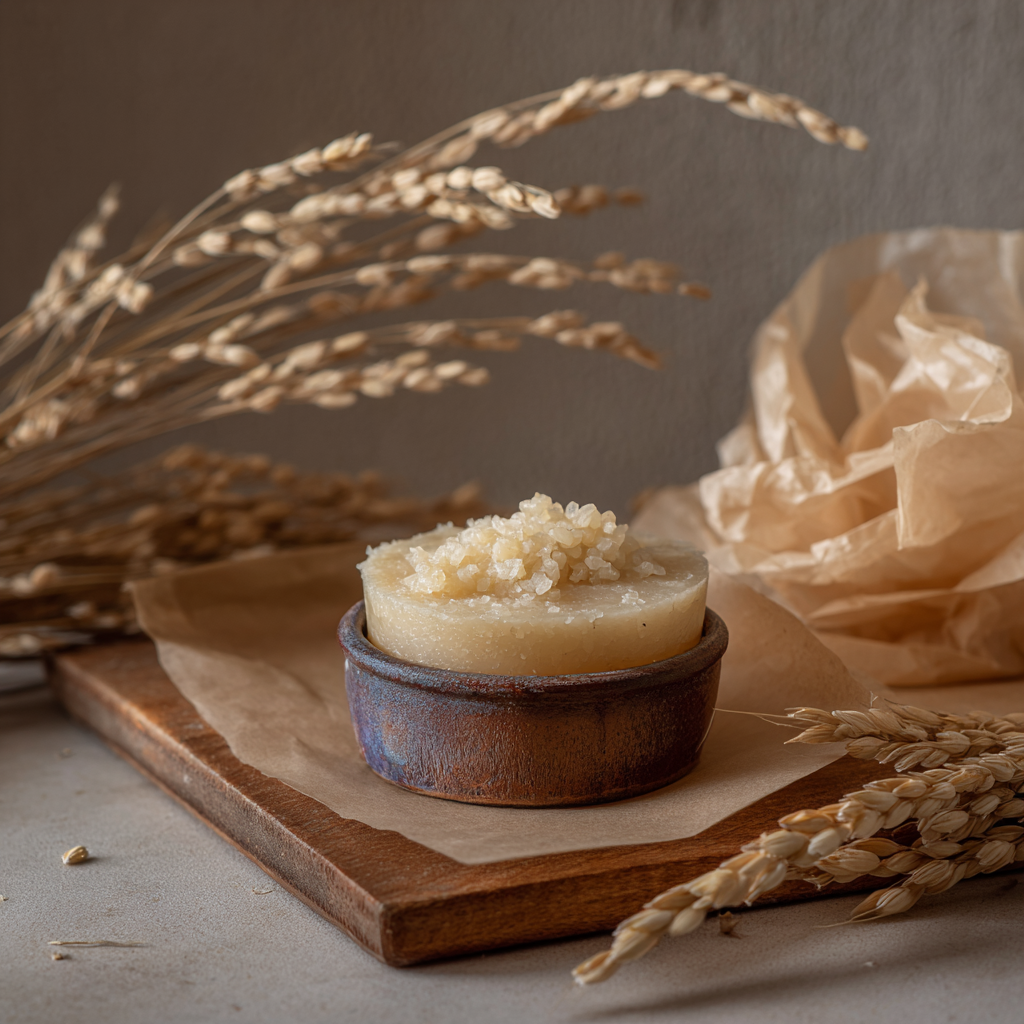
Sunflower wax is known for its hardness and high melting point, making it ideal for premium cosmetics and industrial coatings popular in Italy. Its renewable nature and cost-effectiveness make it a strong natural alternative to rice bran wax, especially for eco-friendly manufacturers.
Bees Wax
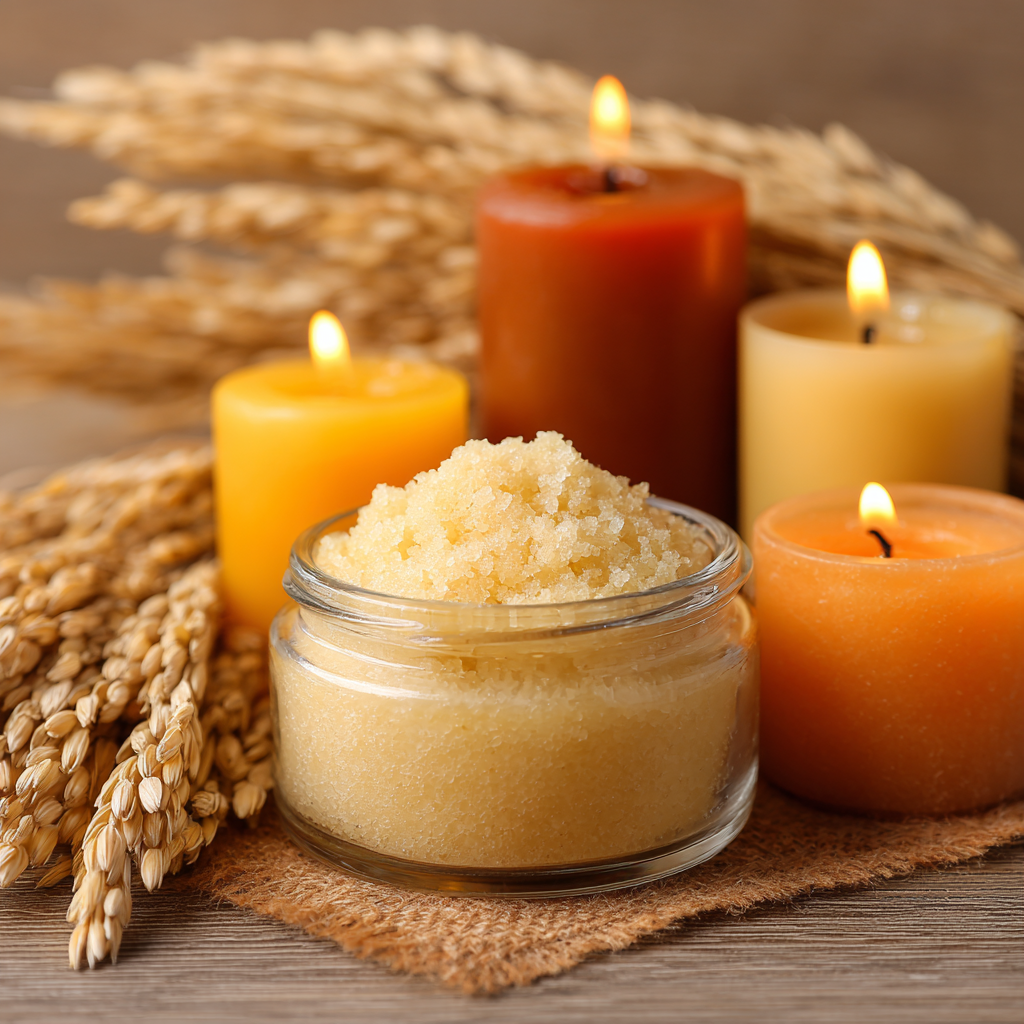
Beeswax is favored for its excellent moisturizing and protective qualities. It is a popular natural wax in luxury skincare and pharmaceutical products in Italy. Its unique biodegradability and consistent quality complement the multifunctionality of rice bran wax.
Candelilla Wax
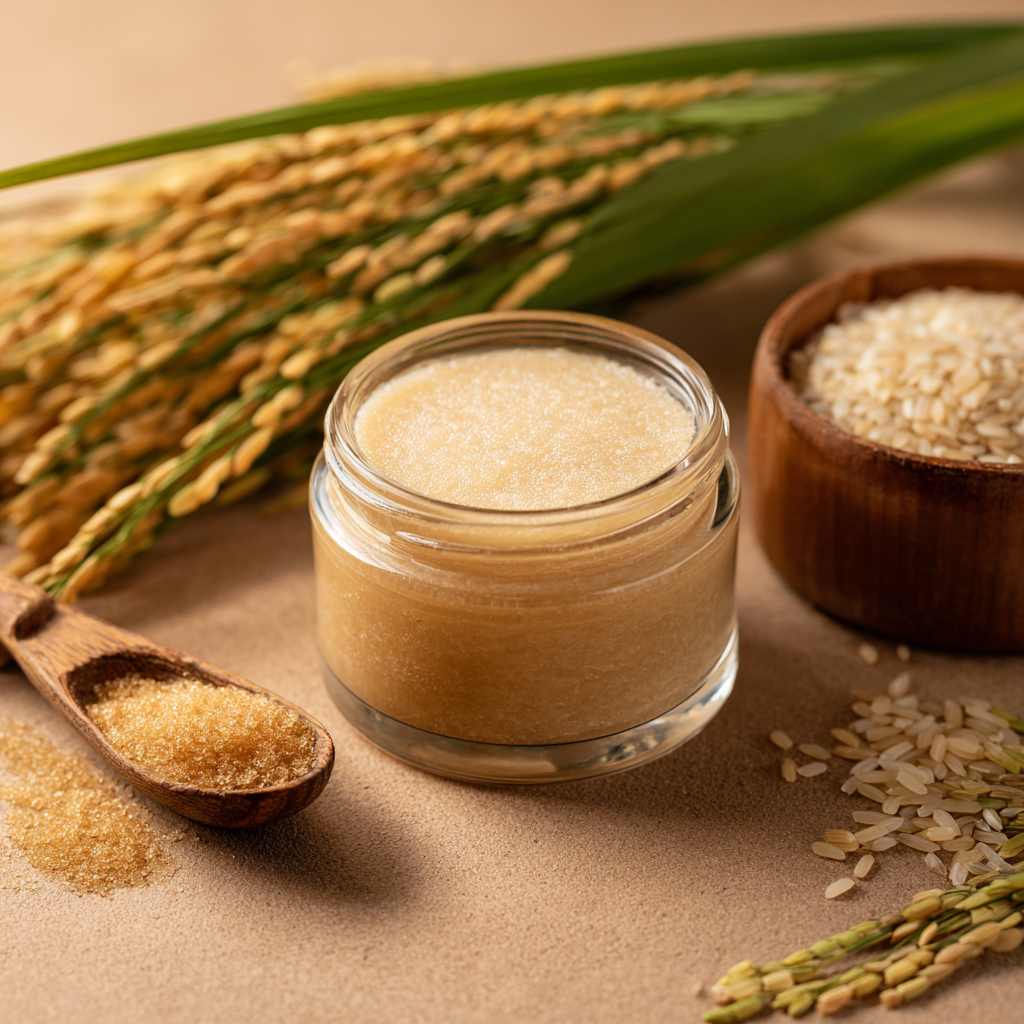
Rice bran wax imitates the film-forming and structural properties of Candelilla wax but is more available and cost-effective in Italy. This makes it an excellent substitute in cosmetics and coatings where quality and cost efficiency are important.
Paraffin Wax
Rice bran wax is a better natural alternative to paraffin wax in Italy. It offers biodegradability and a lower environmental impact while maintaining performance. It is favored in candle making, packaging, and food coatings that require clean, sustainable ingredients.
Soy Wax
Soy wax is valued for its smooth texture and clean-burning characteristics, making it suitable for candles and skincare products in Italy. It serves as a sustainable alternative to rice bran wax with strong compatibility in food coatings and pharmaceutical uses.
Carnauba Wax
Rice bran wax serves as a cost-effective alternative to Carnauba wax in Italy, providing similar gloss, hardness, and moisture resistance at a more favorable price and reliable supply. It meets the demands of Italian manufacturers for high-end finishes while supporting sustainable sourcing.
FT Wax
Rice bran wax is a natural alternative to FT wax, offering essential lubrication and heat stability for industrial applications. Its plant-based origin aligns with Italy’s sustainability goals and reduces reliance on synthetic materials.
- Mount Wilder Advantage
Why Choose Mount Wilder Waxes?
Customizable Batches
Batches are expertly tailored to meet the requirements of the Italian market. This ensures parameters like melting point, color, and crystal structure fit seamlessly into various industrial processes.
Recurring Deliveries
A dedicated logistics team ensures timely, recurring deliveries to major industrial hubs in Italy. This supports just-in-time manufacturing and smooth production cycles.
Supply Chain Ownership
Mount Wilder’s complete control of the supply chain ensures that every shipment of rice bran wax is consistent, certified, and traceable. This gives Italian clients assurance and dependability.
Product Development Support
Italian brands benefit from Mount Wilder’s technical collaboration, which includes new formulation development, on-site support, and regulatory guidance. This ensures optimal integration of rice bran wax in innovative products.
Easy Delivery Across Italy
Italy’s extensive port network allows Mount Wilder to supply rice bran wax to industrial centers and port cities effectively. Genoa, the country’s largest port, is a key entry point for northern Italian industries such as automotive, textiles, and food processing. Trieste’s strategic connection to Eastern Europe and its free trade benefits attract buyers from the chemical and coating sectors. Naples supports food and pharmaceutical imports to southern Italy, thanks to its vast cargo and cruise operations. Milan and Turin, known for fashion, cosmetics, and design, are also well-positioned near Genoa and Verona. Florence’s luxury manufacturing sector has quick access through Livorno and Venice. Coastal cities like Bari, Catania, Palermo, and Messina support local food, packaging, and agribusinesses. Bologna, Padua, and Verona, located at transport and logistics hubs, receive wax efficiently for use in printing, adhesives, and industrial lubricants. Italian importers, from Rome’s commercial areas to Trieste’s industrial port, rely on Mount Wilder’s experienced supply chain for timely and cost-effective deliveries that match the country’s changing consumption patterns.