
Rice Bran Wax Manufacturers & Suppliers : Belgium
What Is Rice Bran Wax?
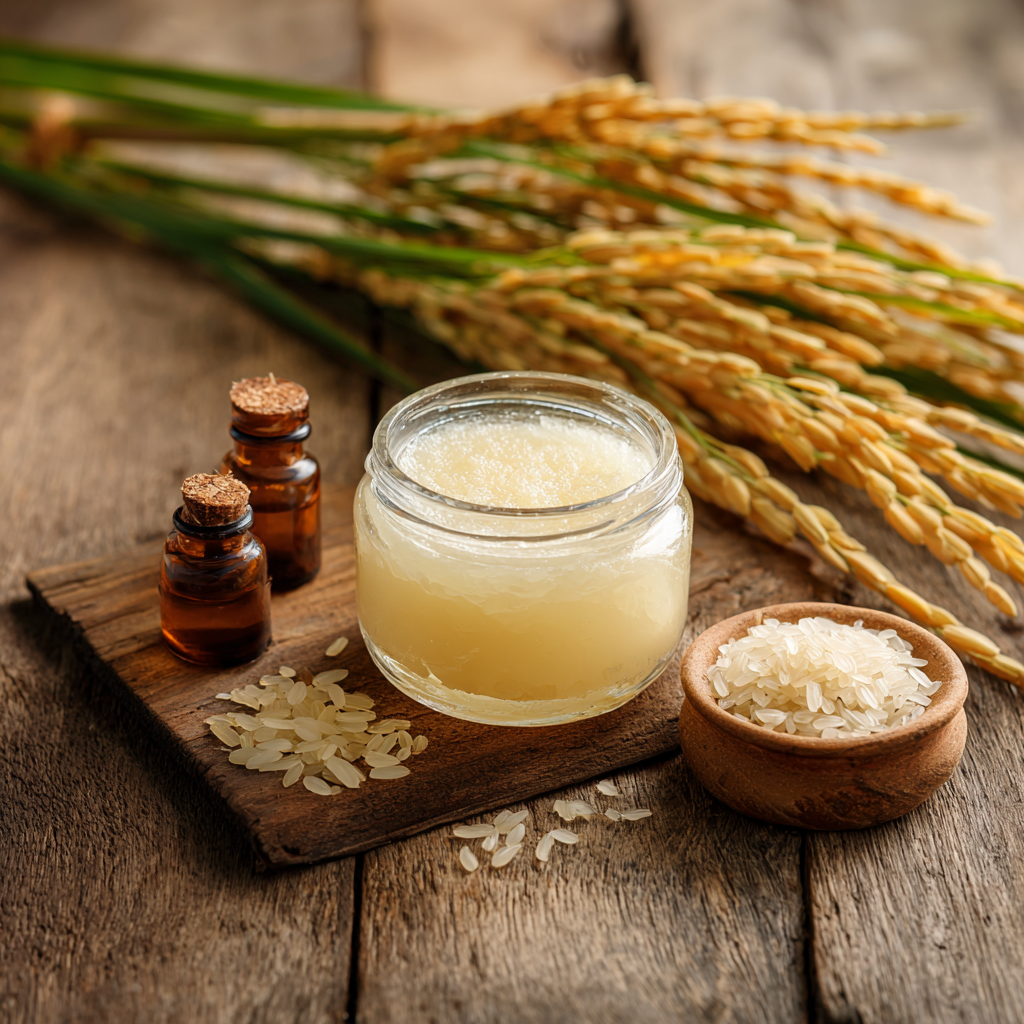
Rice bran is the nutrient-rich outer layer of the rice grain that is removed during milling. It contains valuable oils and wax that can be extracted through solvent extraction, a process where solvents dissolve the bran oil along with waxy fractions. The extracted crude oil undergoes refining, which includes degumming, neutralizing, bleaching, and winterization. This process refines the oil and isolates the wax components. The crude wax is further purified through filtration and deodorization to eliminate impurities, resulting in high-quality, hard, odorless wax with excellent emulsifying abilities and thermal stability. This wax is valued across industries for its natural origin and performance.
Rice Bran Wax:
The New Gold Standard
Rice bran wax is quickly becoming the gold standard in natural waxes due to its unique combination of hardness, gloss, and eco-friendliness. In Belgium, businesses prefer rice bran wax for its superior chemical stability, hypoallergenic properties, and compatibility with clean-label and sustainable production goals. Belgian manufacturers use rice bran wax to improve product quality in cosmetics, food coatings, candles, and industrial applications. It serves as a renewable, biodegradable alternative to synthetic and petroleum-based waxes, meeting halal standards and strict European regulations.

Capacity Snapshot
Mount Wilder operates wax refineries that can produce 90 tonnes of refined rice bran wax each month. This output meets the needs of Belgium’s diverse industrial and commercial sectors, ensuring a reliable supply of consistently high-quality wax essential for product formulations.
The group has two solvent extraction plants, each processing over 500 tonnes of rice bran daily. These sustainable operations maximize oil and wax extraction efficiency, providing top-quality raw materials for refining and export.
An oil refinery producing 105 tonnes per day supplies the wax refinery, creating a vertically integrated supply chain. This integration ensures strict quality control, timely production, and competitive pricing, which benefits Belgium’s manufacturing sector.
- Belgium's Wax Landscape & Applications
Rice Bran Wax Applications & Use-Cases in Belgium
Mount Wilder’s natural waxes help Dutch industries make products that are more premium, durable, and appealing. Here are the main application areas and the benefits of using natural waxes.
Candles
Natural waxes like rice bran wax improve candle quality by offering cleaner combustion, longer burn times, and attractive surface finishes. Belgium’s artisanal and commercial candle makers benefit from waxes that meet customer demands for sustainability and aesthetic appeal.
Cosmetics
Belgian cosmetic companies use rice bran wax for its excellent emulsifying qualities, natural skin compatibility, and texture improvement. It helps create stable, smooth, high-quality products that align with evolving European skincare regulations and consumer preferences for natural ingredients.
Inks
Rice bran wax enhances gloss, abrasion resistance, and binder function in printing inks, supporting Belgium’s notable packaging and publishing industries. Its natural origin aligns with environmentally friendly production standards.
Polishes
Furniture and shoe polish manufacturers in Belgium value natural waxes for their shine, durability, and protective features. Rice bran wax provides a biodegradable and renewable alternative, supporting Belgium’s green product initiatives.
Industrial Coatings
In industrial coatings, rice bran wax delivers moisture resistance, improved adhesion, and flexibility, making it suitable for Belgium’s advanced manufacturing industries that focus on high-performance sustainable materials.
Adhesives
Rice bran wax contributes to the elasticity, viscosity control, and binding strength of adhesives used in packaging and other industrial applications, reinforcing Belgium’s role in innovative adhesive manufacturing.
Food Coatings
Rice bran wax acts as a safe, edible coating that helps preserve freshness and extend shelf life for Belgium’s food processing and export sectors and complies with strict EU food safety regulations.
Pharmaceutical Coatings
Pharmaceutical companies depend on rice bran wax for protective tablet coatings and controlled drug release, meeting the strict regulatory requirements in Belgium and the European Union.
Paper Coatings
Belgian paper and packaging industries use rice bran wax to enhance water resistance, gloss, and recyclability, addressing the growing demand for sustainable packaging solutions in Europe.
Industrial Lubricants
Rice bran wax provides biodegradable and high-performance lubricating properties, which are crucial for Belgium’s automotive and mechanical sectors aiming for greener operational standards.
Value of Rice Bran Waxes: Sustainable & 100% Natural
Mount Wilder’s rice bran wax represents sustainable manufacturing by providing a plant-derived, biodegradable alternative to petroleum-based waxes. The wax is produced using zero-waste extraction and refining methods that maximize resource use. This aligns closely with Belgium’s strict environmental goals and promotes circular economy principles in the EU. Additionally, the wax complies with halal standards, making it suitable for various markets focused on ethical production and consumption.
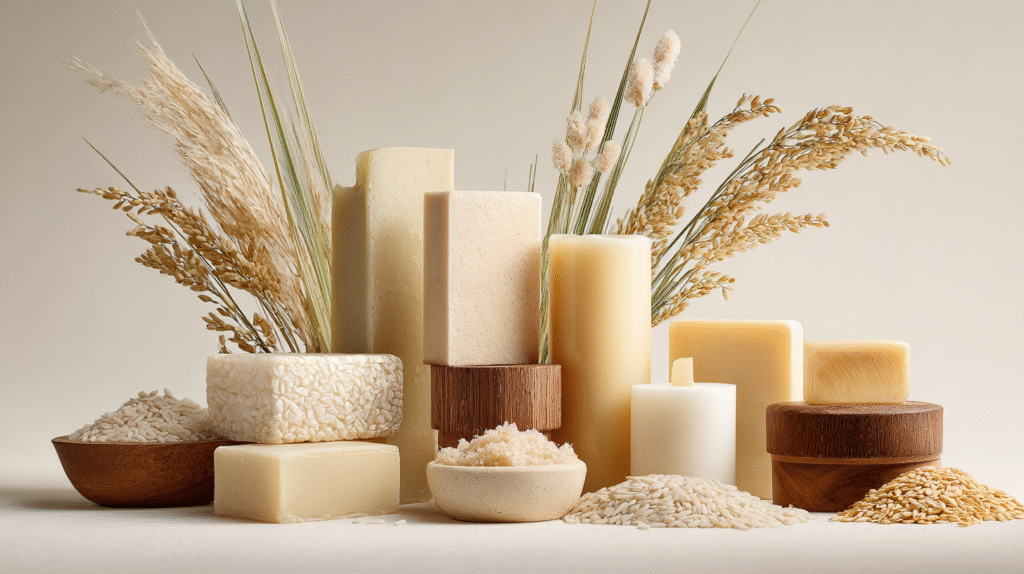
- SUNFLOWER WAX ALTERNATIVES
Substitutes to Rice Bran Wax
While Mount Wilder specializes in rice bran wax, we also provide other natural options and can advise on comparisons with other waxes.


Sunflower Wax
Sunflower wax is a plant-based wax known for its higher melting point and firmness. It works well with rice bran wax to enhance product stability and durability, making it suitable for Belgium’s cosmetics, candles, and industrial applications that prioritize sustainability.
Bees Wax
Beeswax provides natural emollience and adhesive qualities. In Belgium, it enhances rice bran wax formulations by improving texture and skin compatibility, making it popular in high-end cosmetics and candle markets.
Candelilla Wax
Candelilla wax offers structural and smoothing qualities similar to pricier waxes like carnauba, but rice bran wax provides a more economical and readily available option in Belgium. It performs comparably in cosmetics and polishes while promoting sustainable sourcing.
Paraffin Wax
Paraffin wax is popular for its low cost, but it is petroleum-based and less sustainable. Rice bran wax is an excellent natural alternative in Belgium, offering biodegradability and a lower environmental impact without compromising product quality or performance.
Soy Wax
Soy wax offers a softer texture and excellent fragrance retention, making it a great complement to rice bran wax in candles and personal care products. Its renewable origin and clean-burning properties align with Belgium’s rising demand for eco-friendly waxes.
Carnauba Wax
Carnauba wax is known for its hardness and glossy finish but can be costly with limited supply. Rice bran wax serves as a more affordable alternative in Belgium, delivering similar hardness and visual appeal while ensuring consistent availability and better pricing.
FT Wax
FT wax is a synthetic wax often used in industrial formulations; however, rice bran wax is a natural, biodegradable substitute preferred in Belgium for environmentally sensitive coatings and adhesives. Its renewable properties align well with the country’s sustainability objectives.
- Mount Wilder Advantage
Why Choose Mount Wilder Waxes?
Customizable Batches
Our technology allows for batch customization in melting point, hardness, color, and purity to meet Belgium’s various industrial and cosmetic needs.
Recurring Deliveries
Mount Wilder provides scheduled deliveries that align with client production timelines, ensuring a steady supply and preventing manufacturing delays across Belgium.
Supply Chain Ownership
Mount Wilder has complete oversight of all stages from raw material sourcing to waste management and wax production, ensuring traceability, product integrity, and reliable supply to Belgian clients.
Product Development Support
We work closely with Belgian manufacturers to support the creation and enhancement of wax-based products, ensuring innovation and compliance with market standards.
Easy Delivery Across Belgium
Belgium’s major ports like Antwerp and Zeebrugge serve as ideal entry points for rice bran wax, supporting thriving industries in cosmetics, food, and pharmaceuticals. Antwerp’s industrial area facilitates efficient distribution to nearby cities like Ghent, Leuven, and Kortrijk. Belgium’s strong transportation networks ensure quick delivery to commercial centers such as Brussels and Charleroi, which helps meet the needs of Belgium’s diverse industrial hubs.