
Soy Wax Manufacturers & Suppliers : Japan
What is Soy Wax?
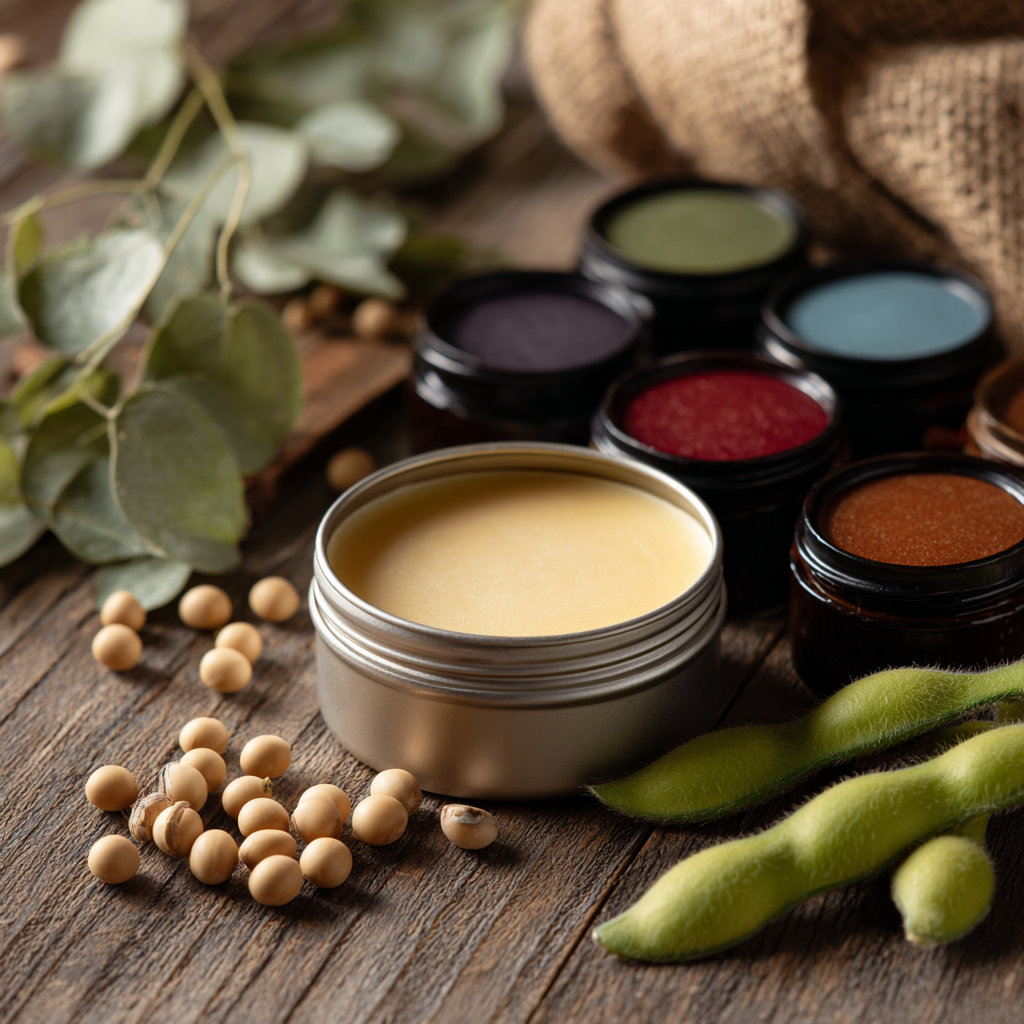
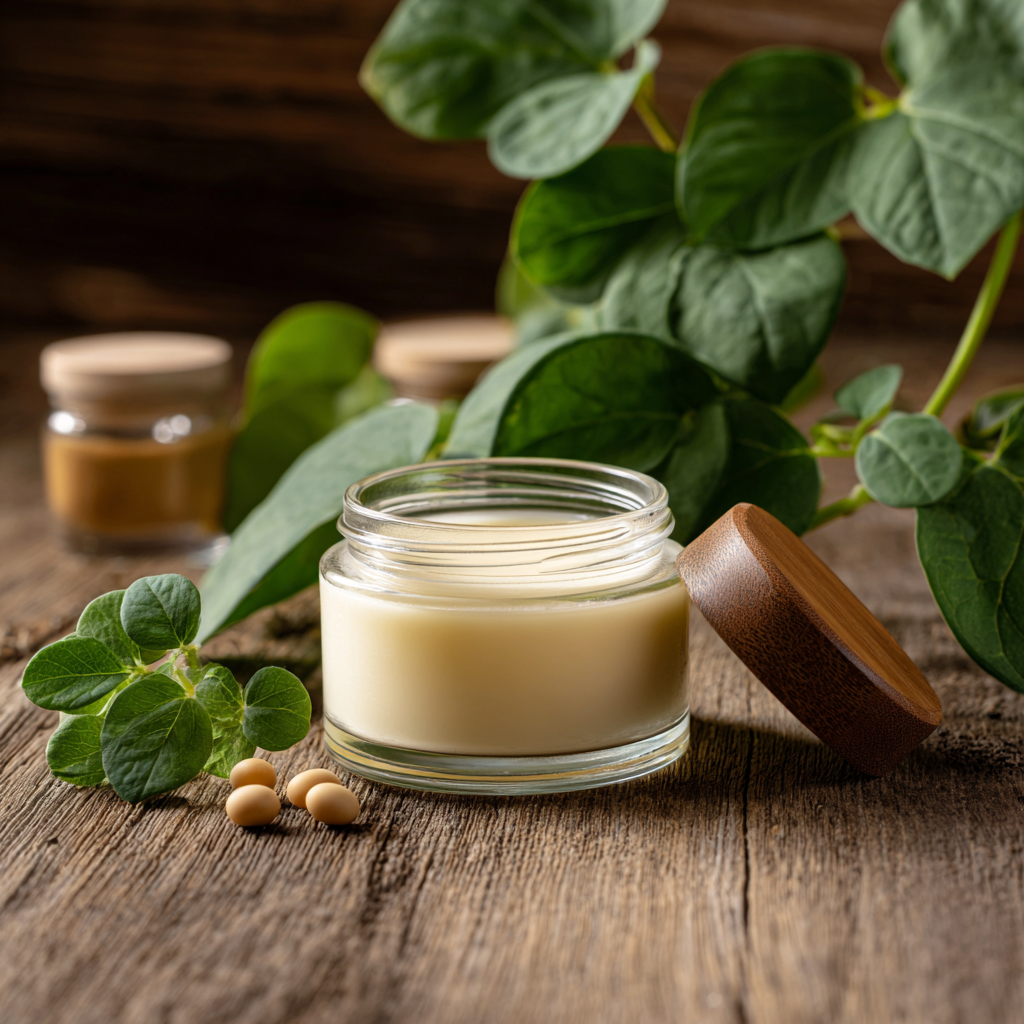
Soy wax is a natural vegetable wax made from soybean oil. The process involves several steps to create a high-quality ingredient for various uses. It starts with cleaning, de-hulling, and flaking soybeans. These flakes are then processed to extract oil through mechanical pressing or solvent extraction. The oil is filtered and refined to remove impurities. In a critical step, hydrogenation turns the unsaturated fatty acids in the oil into saturated ones. This transforms it into the smooth, consistent soy wax used by top manufacturers. At Mount Wilder, we focus on careful refining and molding. Our soy wax is known for its smooth finish, ideal melting point, and strong safety profile.
Soy Wax:
Smooth, Versatile, Natural Waxes
Soy wax is setting new standards in today’s wax industry. It is valued for its clean-burning properties, long life, and renewable source—features that are gaining popularity in Japan’s environmentally conscious markets. Japanese companies prefer soy wax because it produces less soot and offers better scent throw. This makes it a top choice for candles, cosmetics, and other products where purity and quality matter. The popularity of soy wax in Japan comes from the merging of clean-label trends and excellent product performance. It provides local industries with a special material that meets both consumer and regulatory standards for safe, sustainable products.
Capacity Snapshot
Mount Wilder runs refineries that can produce up to 90 tonnes of premium refined soy wax each month. Our high-quality facilities ensure consistency, scalability, and a dependable supply for Japanese manufacturers.
We operate two large solvent extraction plants, each managing over 500 tonnes of raw material daily. This setup guarantees continuous production and provides a steady flow of raw oil for the wax refining process.
A dedicated oil refinery with a capacity of 105 tonnes per day supports our wax production. This creates a closed-loop supply chain that improves traceability, quality assurance, and product safety at every step.
- Japan's Wax Landscape & Application s
Soy Wax Applications & Use-Cases in Japan
Mount Wilder’s natural waxes help Dutch industries make products that are more premium, durable, and appealing. Here are the main application areas and the benefits of using natural waxes.
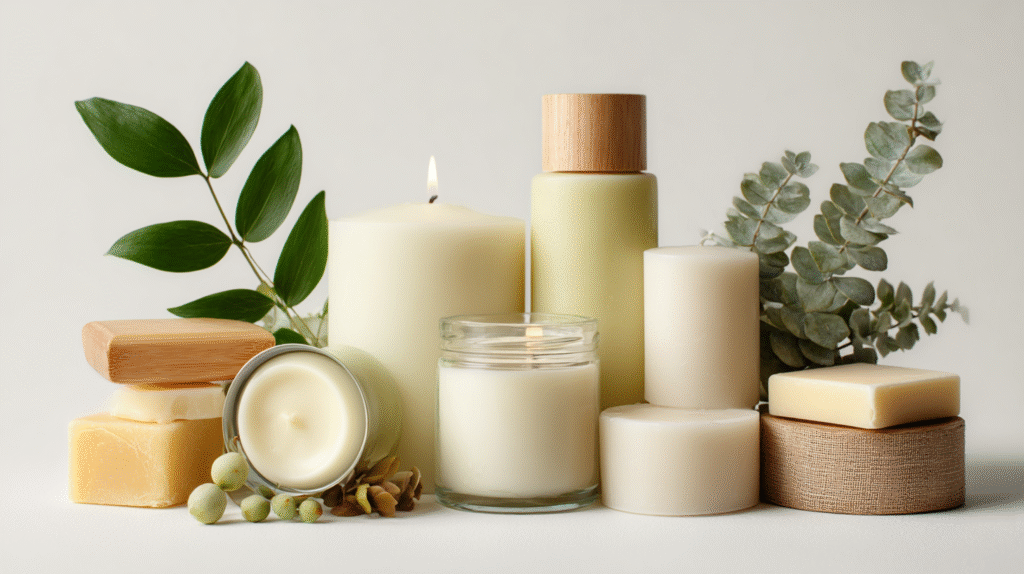
Candles
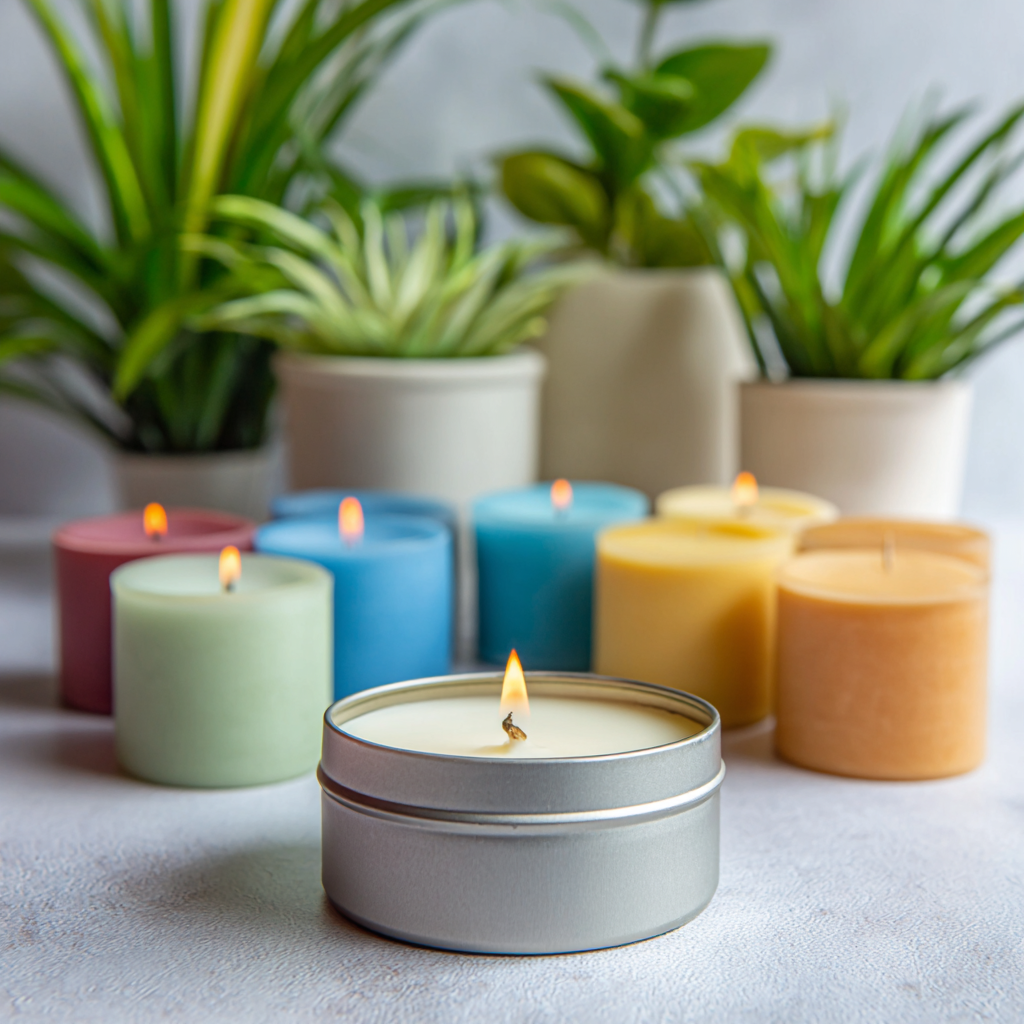
Using Mount Wilder’s natural waxes, candle makers in Japan achieve long, clean burn times and strong scent diffusion. The smooth texture and customizable hardness create a premium look, ideal for gifts, home use, and religious traditions.
Cosmetics
Japanese beauty brands choose Mount Wilder’s natural waxes for their stability and skin-friendly properties. The creamy texture and hypoallergenic nature support a growing clean beauty segment, ensuring optimal formulation in creams, balms, and lip care.
Inks
In Japan’s printing industry, Mount Wilder’s natural waxes boost print gloss, abrasion resistance, and uniformity. This results in higher quality graphics for luxury packaging and publishing.
Polishes
Natural waxes enhance shine and durability in furniture, car, and shoe polish products. This aligns with Japan's demand for long-lasting and visually appealing finishes.
Industrial Coatings
Mount Wilder’s natural waxes provide abrasion and moisture resistance for coatings, meeting Japan’s high standards in electronics, automotive, and machinery protection.
Adhesives
Manufacturers of adhesives rely on the flexibility, bond strength, and controlled melting behavior of these waxes. These features are essential for precise assembly in electronics and machinery.
Food Coatings
In the competitive Japanese food market, natural wax coatings enhance gloss and barrier properties for candies, fresh produce, and packaged goods. This helps improve shelf life and consumer appeal safely.
Pharmaceutical Coatings
Tablet and capsule manufacturers use these waxes for moisture protection and even coating, which comply with strict quality and safety regulations in Japan.
Paper Coatings
Mount Wilder’s waxes improve water resistance and print clarity for paper. These qualities are crucial for luxury packaging, stationery, and art supplies in Japan.
Industrial Lubricants
Japanese manufacturers employ these waxes to extend equipment life, maintain thermal stability, and provide lubrication in high-precision industrial settings.
Soy Wax: Sustainable & 100% Natural
Mount Wilder’s soy wax is entirely plant-based, making it a responsible, renewable substitute for petroleum-based waxes. Each production phase supports zero-waste policies, recycling by-products across industries and contributing to Japan’s and the EU’s climate action efforts. The wax is Halal-certified, enabling inclusive product development and helping Japanese brands excel in eco-label, low-carbon, and socially responsible goods.

- Soy wax alternatives
Substitutes to Soy Wax
While Mount Wilder specializes in Sunflower wax, we also provide other natural options and can advise on comparisons with other waxes.

Rice Bran Wax
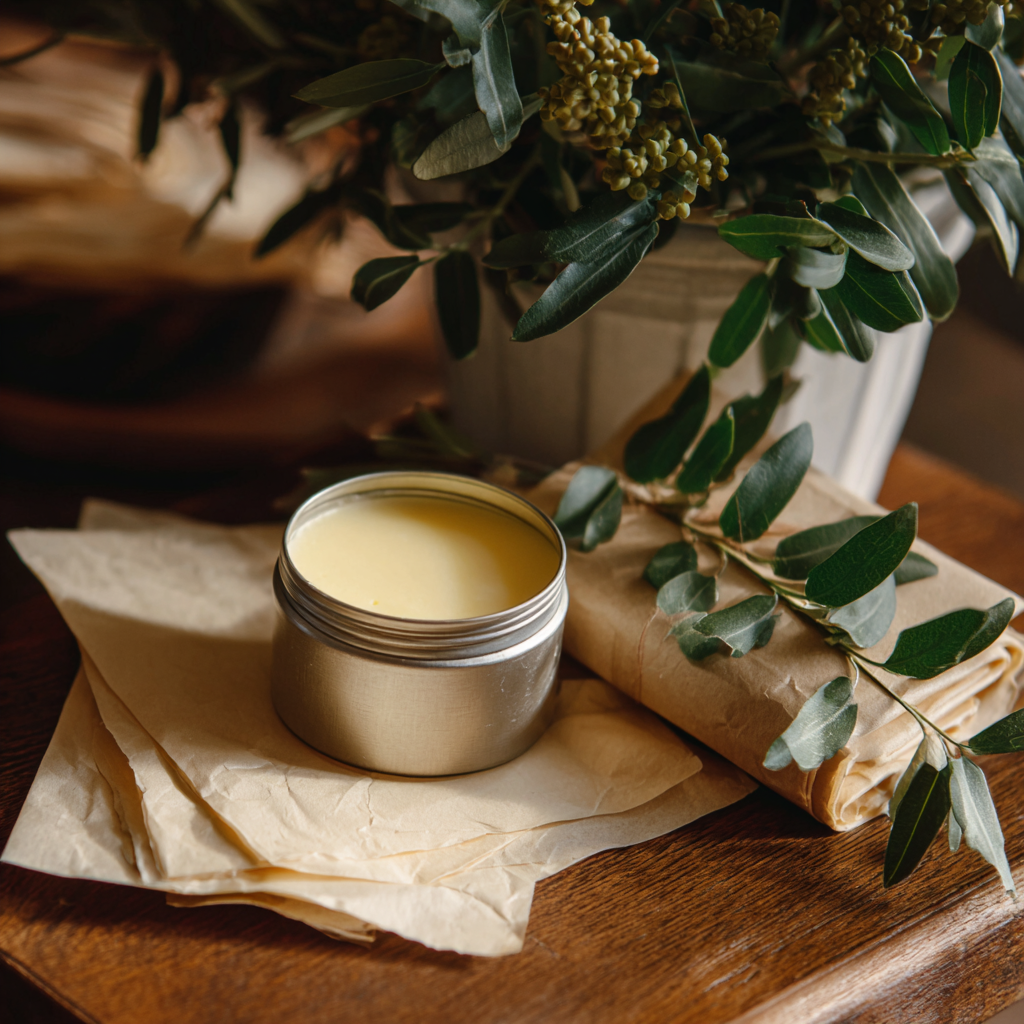
Rice bran wax is a natural product with strong stability and moisture-retaining properties, offering a versatile choice for Japanese manufacturers focused on sustainable ingredients. It pairs well with soy wax, providing a smooth texture and durability in cosmetics, food coatings, and industrial uses.
Bees Wax
Beeswax offers unique antibacterial qualities and flexibility to high-end Japanese skincare and pharmaceutical items. Its natural moisture barrier and compatibility with skin provide advantages that soy wax cannot fully match, making it a favored choice in specialized formulations.
Candelilla Wax
Soy wax serves as a more accessible and affordable alternative to Candelilla wax while maintaining comparable hardness and protective characteristics. This makes soy wax appealing for Japanese manufacturers looking to balance cost with high product quality.
Paraffin Wax
Soy wax is a better natural alternative to paraffin wax in Japan. It is biodegradable, less toxic, and renewable without sacrificing the performance needed for candles and coatings. Its clean-burning and eco-friendly features cater to the growing demand for green products.
Sunflower Wax
Sunflower wax is harder and glossier, making it perfect for premium formulations in Japan's luxury cosmetic and coating markets. Its plant-based origins and cost-effectiveness make it an attractive option for companies seeking performance and sustainability.
Carnauba Wax
Soy wax is a cost-effective alternative to Carnauba wax in Japan. It offers similar melting points and film-forming properties at a more stable price. It delivers similar shine and durability that luxury goods require while ensuring reliable supply.
FT Wax
As a natural substitute for FT wax, soy wax provides key lubrication, thermal stability, and consistency that align with Japan’s environmentally aware industry standards. Its renewable source and biodegradability enhance its attractiveness in sustainable manufacturing.
- Mount Wilder Advantage
Why Choose Mount Wilder Waxes?
Customizable Batches
Every batch is tailored to meet Japanese client needs—whether it’s melting point, firmness, or purity—ensuring smooth integration into local manufacturing processes.
Recurring Deliveries
Effective logistics management allows for reliable, just-in-time deliveries throughout Japan’s busiest industrial and commercial regions. management.
Supply Chain Ownership
Mount Wilder controls the entire supply chain, ensuring stable, certified sources and integrated production for reliability and long-term partnerships.
Product Development Support
Mount Wilder’s technical experts work with Japanese manufacturers to create custom-blend waxes and enhance existing products, adding market value.
Easy Delivery Across Japan
Mount Wilder’s supply network enables fast, cost-efficient delivery of soy wax to all industrial and commercial centers in Japan. Tokyo and Yokohama are key ports for consumer goods, cosmetics, and pharmaceuticals. Osaka and Kobe support mass production and automotive industries. Nagoya serves automotive suppliers, while Chiba focuses on the fast-moving packaging and ink sectors. Southern hubs like Fukuoka, Kitakyushu, and Kumamoto cater to key manufacturers and specialty foods. Hiroshima, Sendai, Niigata, and Kanazawa address important needs in printing, food, and metalworking in northern and central Japan. Inland cities such as Saitama, Hachioji, and Funabashi ensure last-mile delivery for electronics, retail, and logistics. Additional cities like Shizuoka, Hamamatsu, Wakayama, Nagano, Takamatsu, Ibaraki, and Fukuyama provide tailored connections for various industries, including medical equipment and chemicals. With optimal access to the entire Japanese market, Mount Wilder boosts industrial productivity for all its soy wax customers.