
Finest Waxes in China
China is a global leader in producing and supplying natural waxes. It plays a key role in various industries by providing high-quality natural waxes like Rice Bran Wax, Sunflower Wax, Soy Wax, and Beeswax. Known for its large manufacturing capacity, technological progress, and effective logistics, China’s wax production industry supports many commercial uses. This makes it an important partner for global wax supply chains.
- Our Products
Our Selection of Natural Waxes

Rice Bran Wax
Rice Bran Wax comes from the outer layer of rice grains during the oil refining process. It is widely used in many industries in China. The cosmetics industry values it for its excellent moisturizing and texturizing properties. This makes it great for skincare products like lotions, lip balms, and creams. Its natural origin meets the increasing consumer demand for clean and eco-friendly ingredients. The paper and pulp industry uses rice bran wax as a coating agent to improve durability and water resistance. This is important for food packaging and other environmentally friendly paper products. Pharmaceutical applications also benefit from its stability and biocompatibility, making it a suitable natural wax for different coatings and formulations. The food industry uses rice bran wax to improve preservation and protect products.

Sunflower Wax
Sunflower wax is a by-product of sunflower oil extraction. It plays an important role in China’s growing natural wax market. Many cosmetics and personal care brands prefer it because it is eco-friendly and has natural moisturizing properties. This appeals to both consumers and manufacturers who want sustainable options. The food industry also uses sunflower wax as a natural coating and stabilizer. This improves product shelf-life and quality while keeping food safe. In industrial settings, sunflower wax is used in polishes and coatings because it makes excellent films. China’s strong agricultural base ensures a steady supply of sunflower wax, making it both cost-effective and sustainable. The country’s focus on green products boosts the use of sunflower wax across various industries.

Soy Wax
Soy wax is made from hydrogenated soybean oil. It is becoming more popular in China, especially for candles, cosmetics, and food packaging. Eco-conscious consumers prefer it because it burns cleaner and has a lower carbon footprint than traditional petroleum-based waxes. The renewable and biodegradable qualities of soy wax make it a favorite for container and scented candles. It offers a longer burn time and even color distribution. In cosmetics, it gives a smooth texture and stability to lip balms and creams. Also, soy wax coatings are being used more often in food packaging to provide natural protection. The increasing demand for sustainable soy wax shows a larger trend toward using renewable raw materials in China’s manufacturing sectors.

Bees Wax
China’s beeswax market is growing because of its uses in cosmetics, pharmaceuticals, food preparation, and candle making. Beeswax is valued for its natural antibacterial qualities and its ability to form breathable, protective films. This makes it perfect for skincare products like lip balms, hand creams, eye makeup, and sunscreen. The pharmaceutical sector uses beeswax in topical ointments and controlled-release medicines. In food, beeswax often serves as a natural coating for fruits and cheeses to extend shelf life. The large beekeeping industry in China, along with a strong supply chain and research capabilities, guarantees a steady quality and supply of beeswax. This meets the needs of both local and international markets.
- Reliability in delivery
Capacity Snapshot
China’s wax manufacturing sector has strong refining and extraction facilities. Mount Wilder’s wax refineries can process 90 tonnes of refined wax each month, which ensures a steady and reliable supply of high-quality waxes. In addition, group companies run two solvent extraction plants, each with a high capacity of over 500 tonnes per day. These plants provide raw materials for the refining processes. The feedstock for the wax refinery mainly comes from an oil refinery that produces 105 tonnes daily. This combined approach of large-scale solvent extraction and refining places the manufacturing group at the top of wax production in terms of efficiency, quality control, and supply chain flexibility.
- 1000+ tonnes per day solvent extraction
- 105+ tonnes per day refined oil
- 90+ tonnes per month refined wax
China's Wax Landscape
China’s wax industry has a strong advantage because of its diverse industries and manufacturing strength. Key sectors like cosmetics, packaging, and candle making drive a high demand for natural waxes, which perform better than synthetic ones. Locally made waxes provide better consistency, traceability, and customized formulas that meet the rapidly changing needs of China’s industries. The cosmetics and personal care sector especially benefits from waxes that fit with the growing focus on the environment and strict regulations. Additionally, China’s food and pharmaceutical industries depend on natural waxes for coating and preservation, making use of their natural origins and safety. This collaboration among industries strengthens China’s position as a top wax manufacturer and supplier.
- Industrial and commercial uses
Wax Applications & use cases



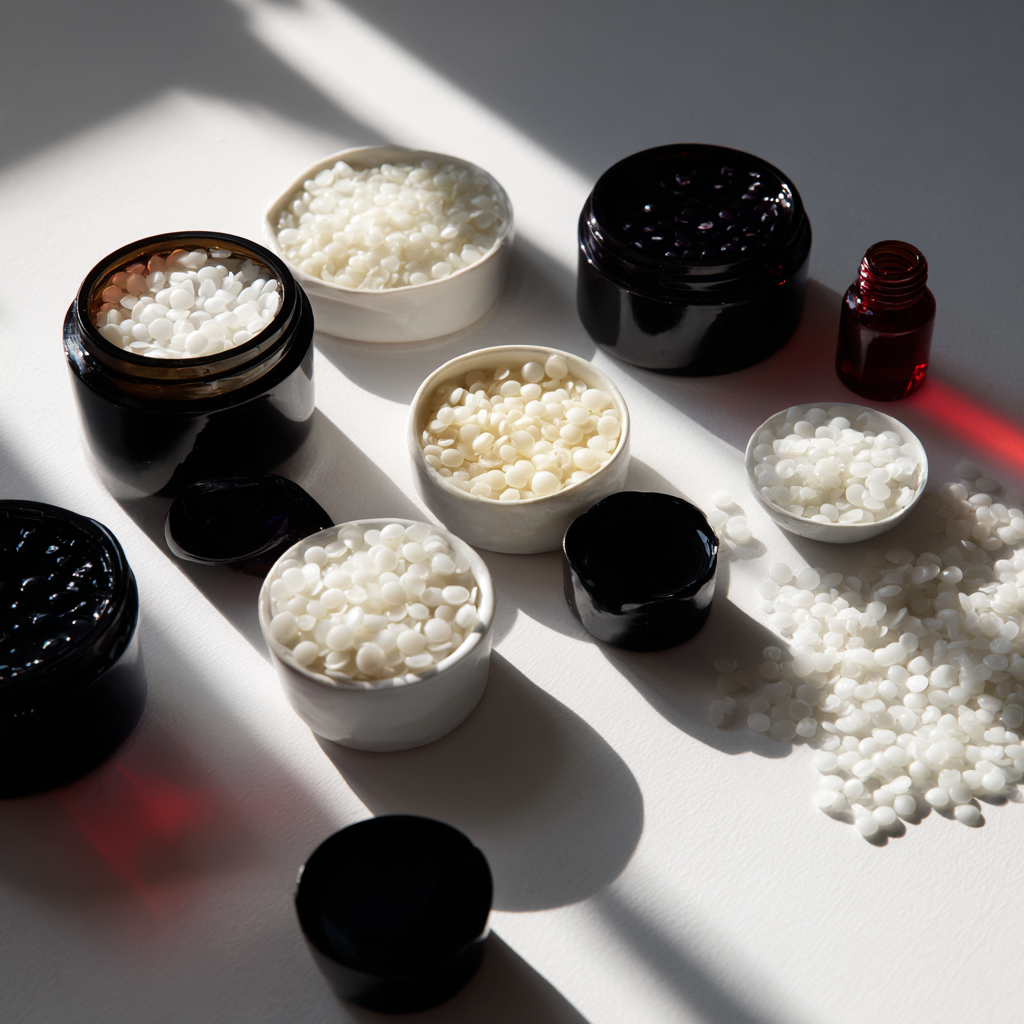
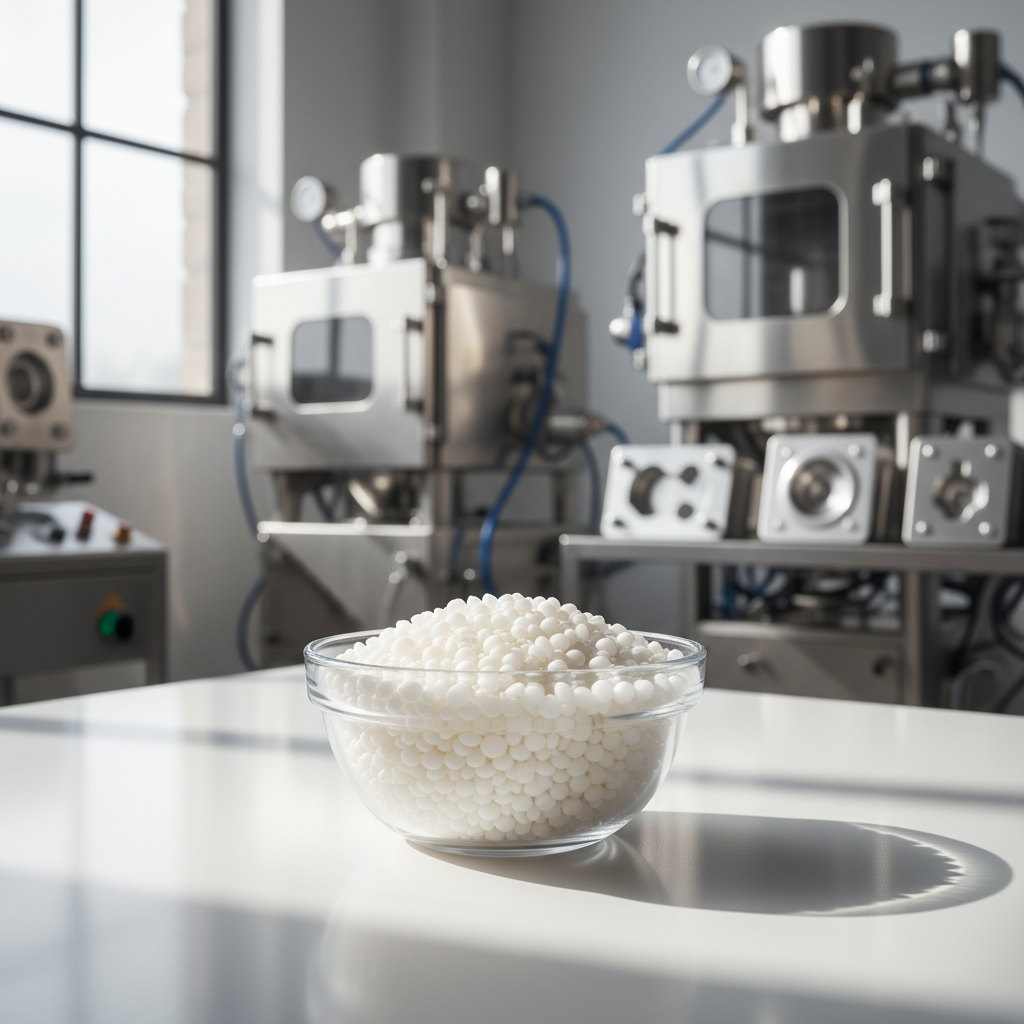
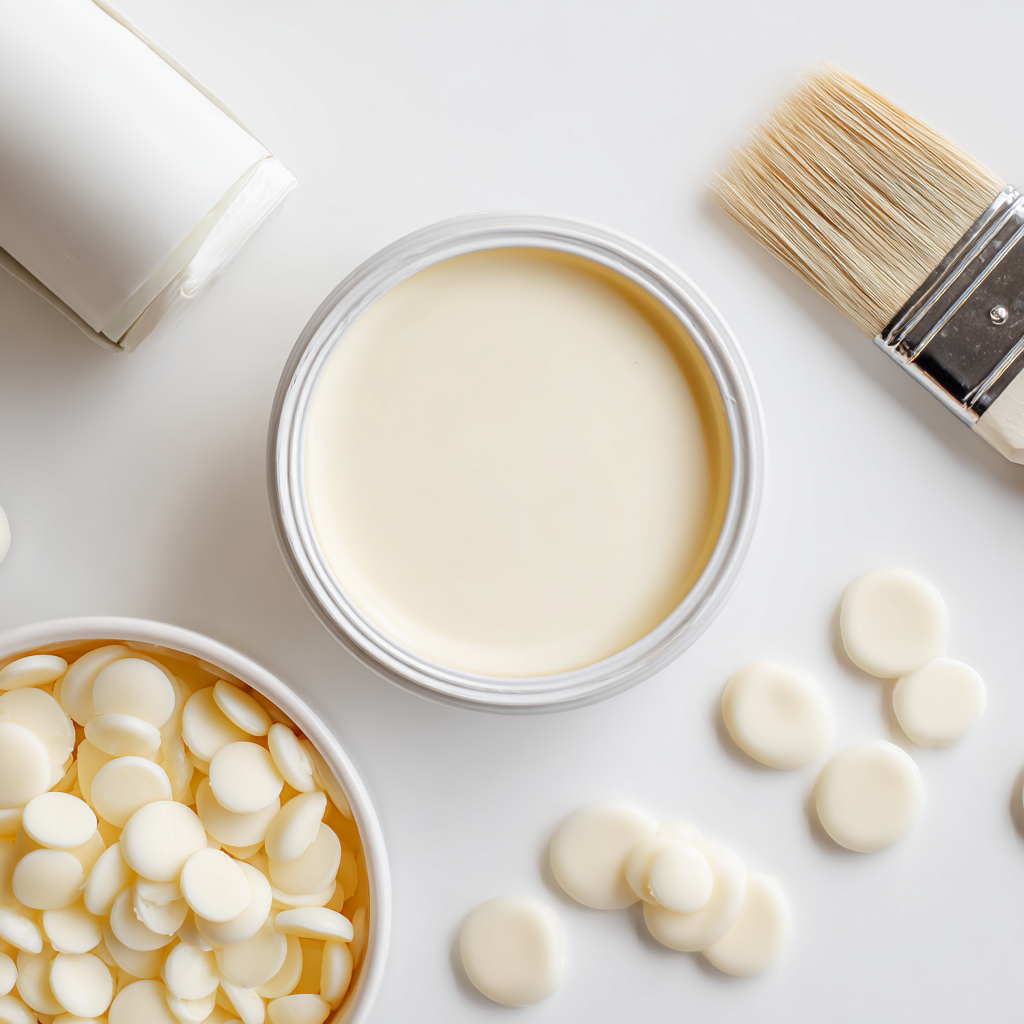


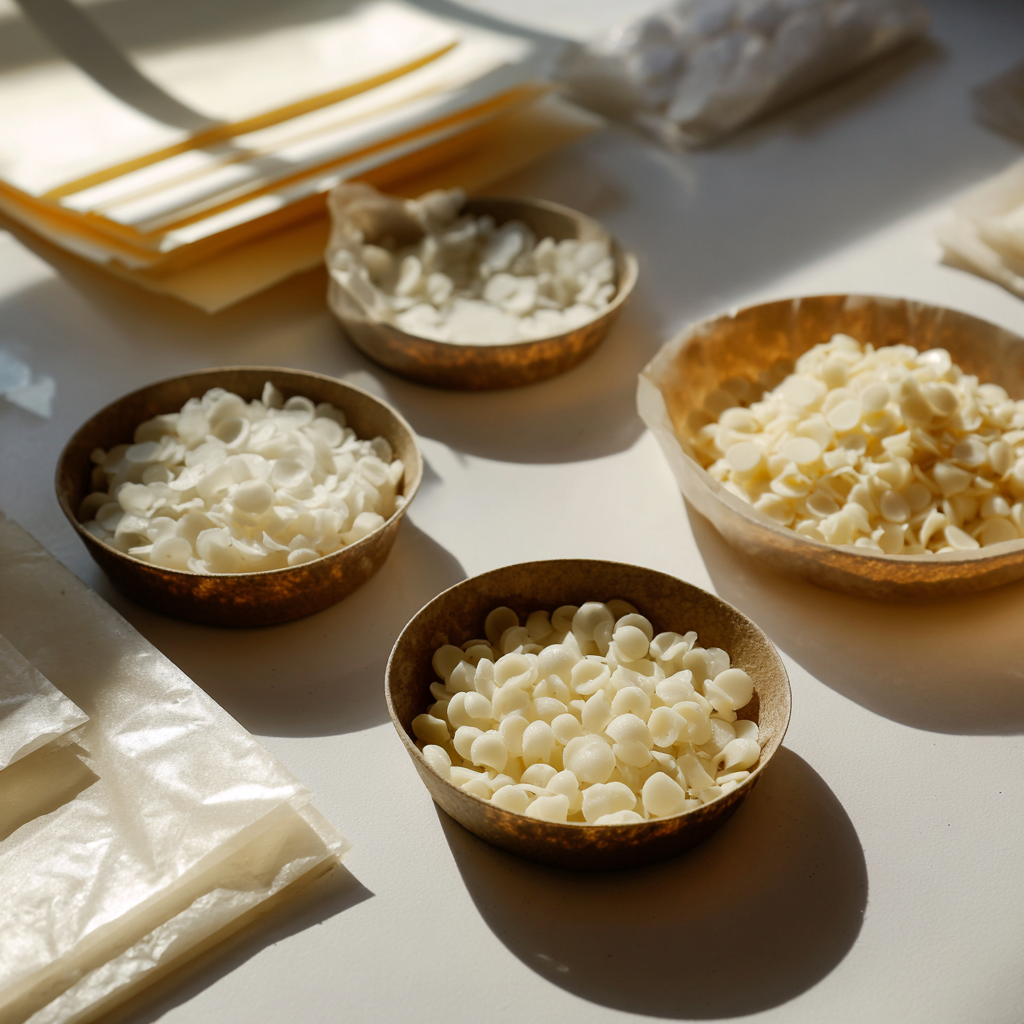
Candles
China is a major center for candle production, making about half of the world's supply. Natural waxes from China are valued for their clean burning, longer burn times, and great scent retention, which make them popular for luxury, scented, and decorative candles. Using high-quality natural waxes also supports eco-friendly product lines that attract both local and global consumers.
Inks
Waxes improve the quality and performance of printing inks by boosting moisture resistance, gloss, and smoothness. In China's strong packaging industry, wax-enhanced inks are often used for product labels and flexible packaging.
Industrial Coatings
Natural waxes help create protective industrial coatings by offering water resistance, chemical resistance, and flexibility. These uses are important in China's large manufacturing and construction industries, where durability and environmental standards matter.
Food Coatings
Waxes are important for keeping food fresh. They help prevent moisture loss and extend shelf life. In China, natural wax coatings are commonly used in packaging for fruits, vegetables, and candy. This trend matches what clean-label consumers want.
Cosmetics
Natural waxes play a vital role in the cosmetics industry. They are known for their ability to soften, thicken, and improve texture. Waxes help ensure stability, allow for smooth application, and retain moisture in products like lip balms, creams, and lipsticks. The demand for plant-based and sustainable ingredients in Chinese personal care is quickly rising. This trend has led to an increased use of wax in this market.
Polishes
Wax-based polishes for furniture, cars, and floors are popular because they provide a protective and shiny finish. Chinese manufacturers use natural waxes to create polishing products that are durable, non-toxic, and good for the environment.
Adhesives
Waxes improve adhesive formulations by increasing tackiness, flexibility, and thermal stability. In fields like packaging and automotive assembly, wax-based adhesives provide affordable and dependable bonding solutions.
Pharmaceutical Coatings
In pharmaceuticals, waxes offer protective coatings for pills and topical creams. They improve stability and help control release. The industry's need for natural, allergy-free ingredients has led to a rise in the use of natural waxes.
Paper Coatings
Waxes strengthen paper, make it more water-resistant, and enhance print quality. China's packaging and paper industries use wax coatings, particularly for food-grade and sustainable packaging solutions.
- Mount Wilder Advantage
WHY US?
Unique Formulations
Our waxes are specially made to meet industry needs. This ensures performance in every application. Strict quality checks and customization improve the product’s function and reliability.
R&D Capabilities
We invest a lot in research and development to create new wax formulas and extraction methods. This helps us improve wax purity, yield, and how we can use the wax.
Supply Chain Ownership
Full ownership of the supply chain, from solvent extraction to refining, ensures optimal quality control, timely delivery, and reliable supply for all client needs.
Worldwide Clients
Serving a wide range of clients around the world shows our skill in meeting different market needs and following various regulations.
- Candelilla and Carnauba Alternatives
A Cost Effective and 100% Natural Choice
Our waxes are strong, natural alternatives to common synthetic and natural waxes like Carnauba, Candelilla, Fischer-Tropsch (FT), and Paraffin wax. They provide significant cost benefits and meet quality and sustainability standards. This supports China’s major industries as they move toward eco-friendly materials.
Cost Effective Alternative to Carnauba Wax
Our waxes offer similar hardness and gloss to Carnauba wax, but they are more affordable. This makes them suitable for larger-scale use in cosmetics and polishes.
Cost Effective Alternative to Candelilla Wax
Our waxes have similar film-forming and adhesive properties. They are cost-effective options for personal care and coating uses.
Natural Alternative for FT Wax
We offer renewable and biodegradable wax options that replace Fischer-Tropsch wax in industrial formulas. This helps reduce reliance on petrochemicals.
Natural Alternative for Paraffin Wax
Our waxes help companies make eco-friendly products by providing natural alternatives to paraffin wax. They maintain high performance in candle making and packaging.
Product Development Support
We provide thorough product development support that caters to client needs. This helps drive formulation innovation and adjust to the market for different wax applications.
- Easy Delivery
Destination Ports in China
China’s main export ports for wax products are Shanghai, Ningbo, Shenzhen, and Qingdao. These ports connect well to global shipping routes and are near industrial centers, which helps with efficient export logistics. For example, Shanghai and Ningbo are close to large chemical and manufacturing areas, while Shenzhen allows for quick distribution to markets in Southeast Asia. The choice of port depends on the client’s destination and logistics needs, which helps ensure timely deliveries and cost savings.