
Finest Waxes in France
France has a long-standing reputation for innovation and craftsmanship in industries such as cosmetics, pharmaceuticals, fine foods, and luxury goods. In some of these use cases in France natural waxes are important, providing eco-friendly, high-quality options for manufacturing and product formulation. Leading this market is Mount Wilder, a company focused on making refined natural waxes for clients worldwide with a focus on wax exports to France. With top-notch facilities and extensive expertise, Mount Wilder is one of the most trusted exporters of natural waxes to France.
- Our Products
Our Selection of Natural Waxes
Rice Bran Wax
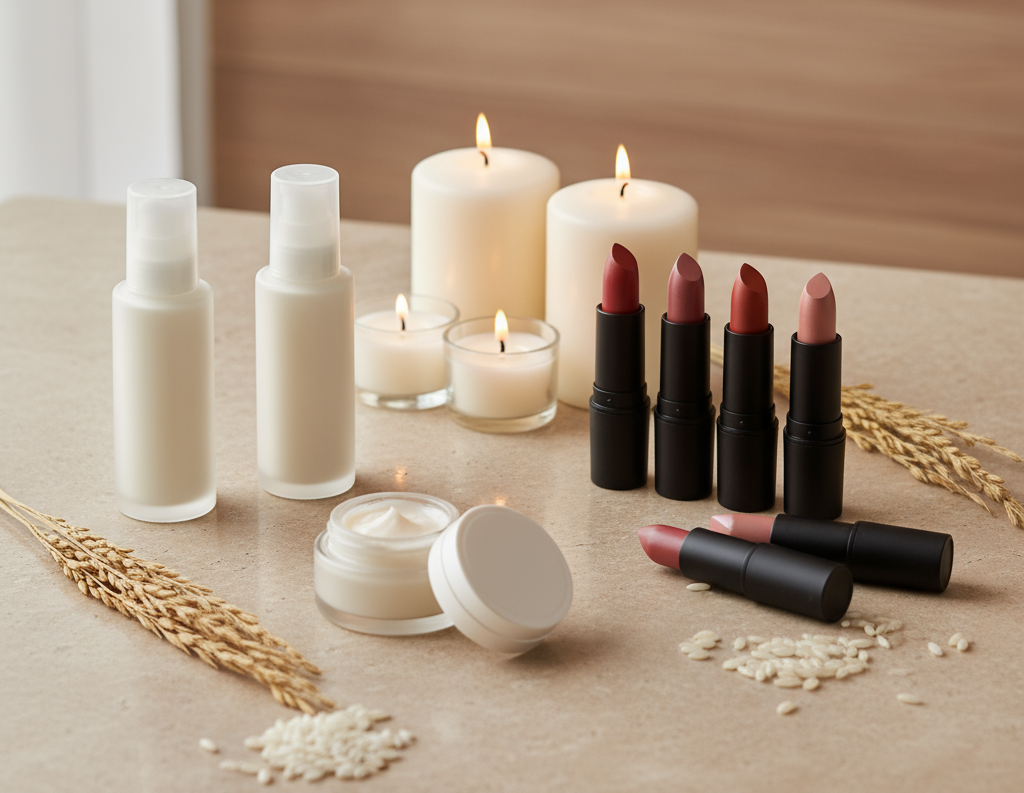
Rice Bran Wax is commonly used in the cosmetic and pharmaceutical industries in France. Its high melting point, great gloss, and moisturizing properties make it perfect for lip balms, creams, and lotions. The food industry also uses it as a coating agent to keep products fresh and create protective barriers. Its natural origin attracts consumers who prefer green and sustainable products.
Sunflower Wax
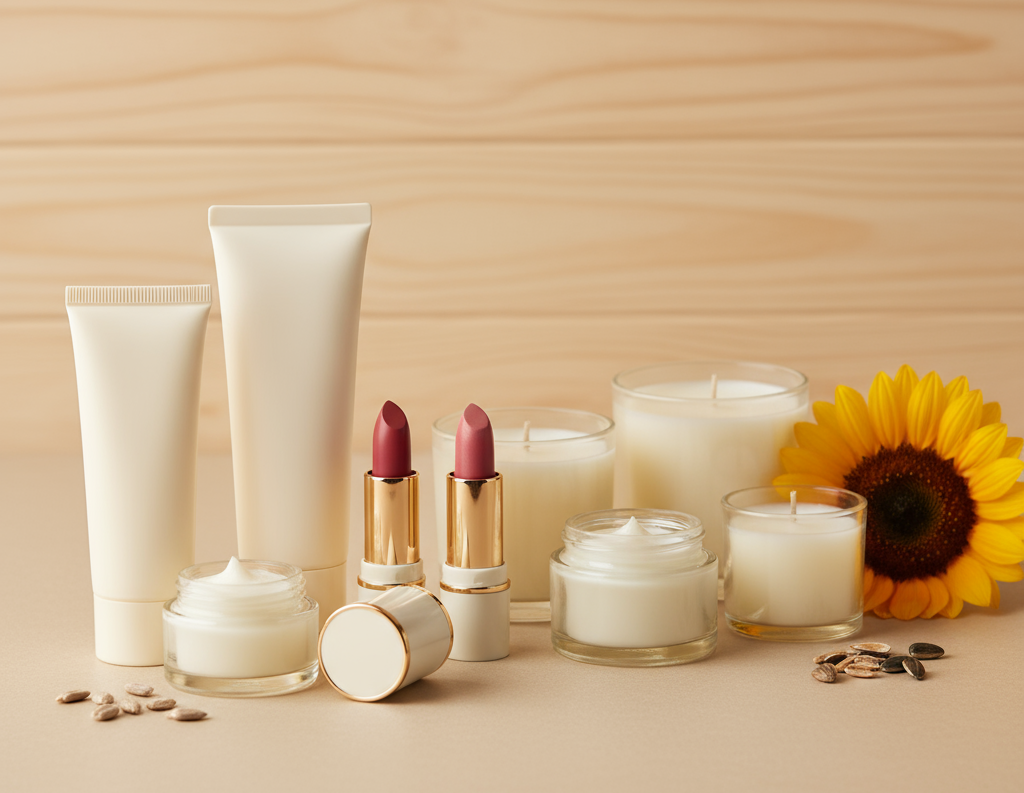
Sunflower wax is widely used in candle making and personal care products. France’s growing organic cosmetics companies appreciate its smooth texture and moderate melting point. They use it in soaps and hair care products. It is also important in industrial coatings due to its water-resistant properties, benefiting France’s durable goods sector.

Soy Wax
Soy wax is especially popular among French candle makers because it burns cleanly and comes from sustainable sources. The rising number of eco-conscious consumers in France boosts the use of soy wax in home fragrance products. Additionally, its ability to work well with natural dyes and scents aids in creating custom decorative candles, which are commonly found in France’s luxury markets.
Bees Wax
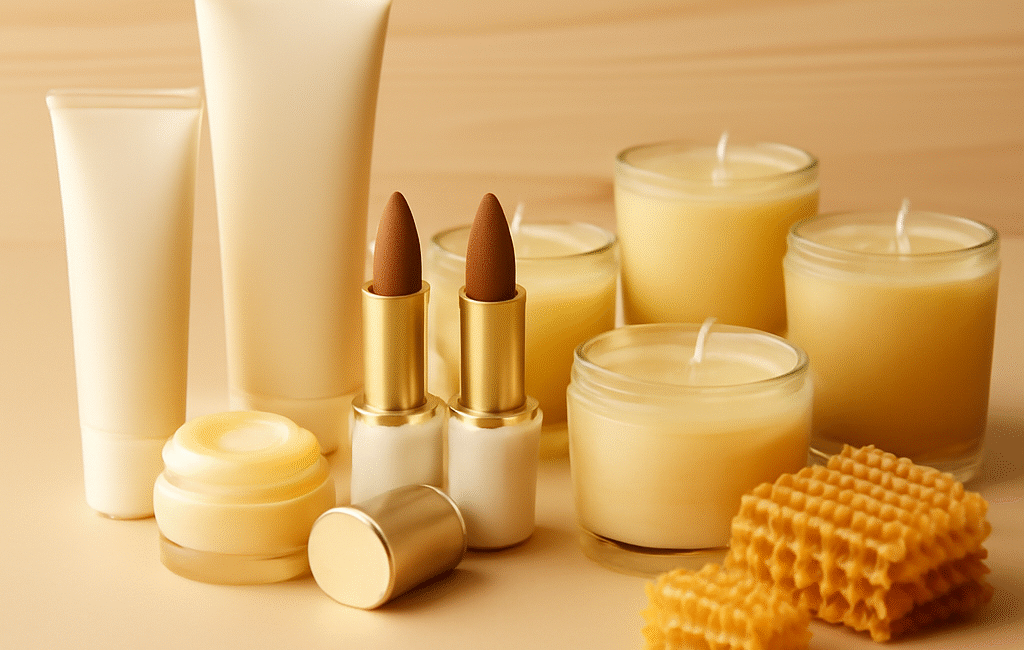
Beeswax is valued in several industries in France, such as cosmetics, food packaging, and pharmaceuticals. Its natural antibacterial and protective properties make it a popular ingredient in creams, lip balms, and salves. The food industry also uses beeswax to coat cheeses and baked goods. Additionally, France’s traditional craft of candle making greatly appreciates beeswax for its clean, slow burn and pleasant aroma.
- Reliability in delivery
Capacity Snapshot
Our wax refineries are set up to manage large-scale production while keeping high-quality standards. They can refine 90 tonnes of natural wax each month. This shows strong manufacturing capabilities designed to meet different industrial needs in France.
Moreover, the solvent extraction plants run by our group companies each process over 500 tonnes per day, far exceeding typical industry standards. This large infrastructure supports a steady supply of raw materials and extraction efficiency, which is crucial for reliable operations.
Supporting this, the wax refinery benefits from a nearby oil refinery with a production capacity of 105 tonnes per day. This vertical integration ensures smooth processing of raw materials, lowering costs and improving quality control. In France, this capacity positions the operation well to serve changing markets for cosmetics, candles, and industrial coatings.
- 1000+ tonnes per day solvent extraction
- 105+ tonnes per day refined oil
- 90+ tonnes per month refined wax
France’s Wax Landscape
France is home to several important industries that greatly impact wax demand, including luxury cosmetics, artisanal candle making, food packaging, and industrial manufacturing. Mount Wilder’s waxes have a strategic advantage in this environment due to their high-quality refinement, consistency, and natural properties.
Unlike synthetic alternatives, these waxes have better environmental profiles. They meet France’s strict sustainability standards and match consumer preferences for natural products. The consistent quality and scalability let manufacturers create products with improved reliability and performance.
Furthermore, France’s role as a global leader in cosmetics and gourmet foods requires high-quality raw materials. The supplied waxes help manufacturers create new product formulations while meeting regulatory and market demands.
- Industrial and commercial uses
Wax Applications & use cases

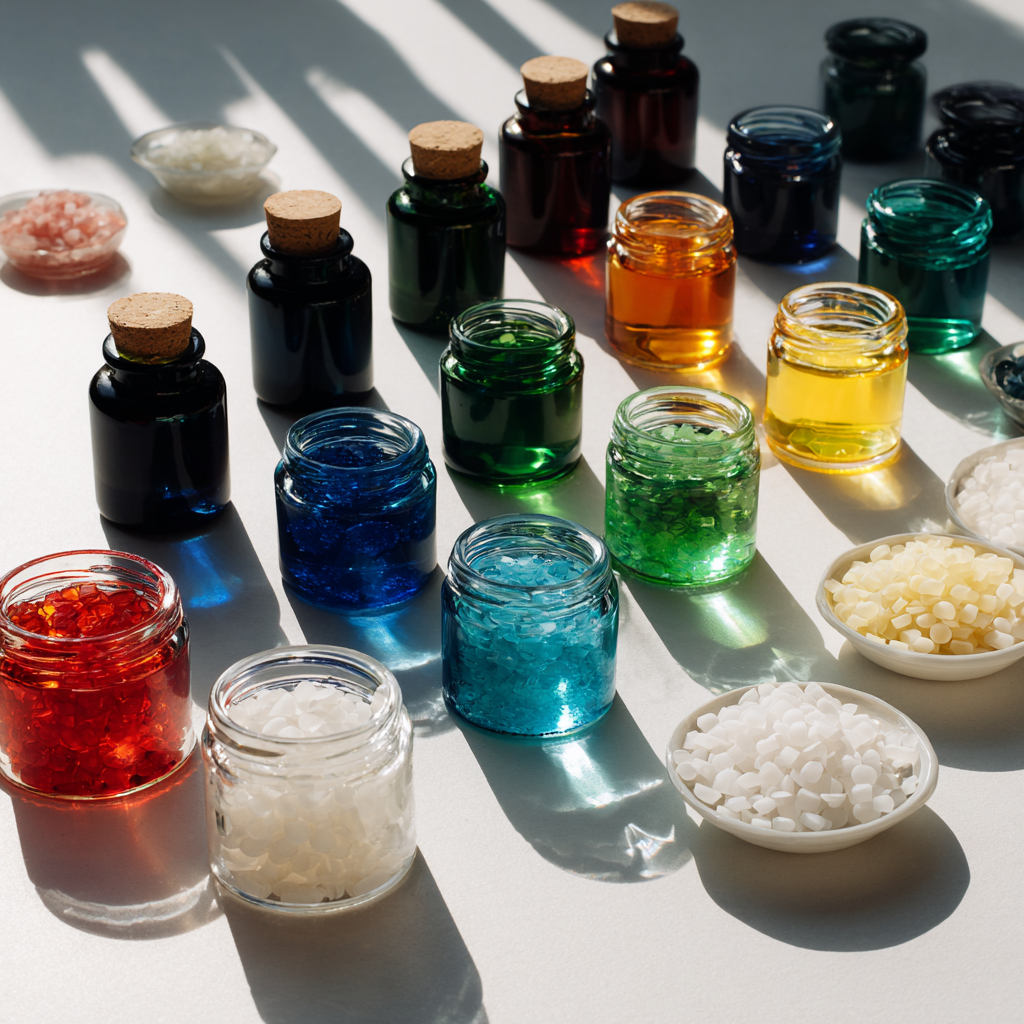
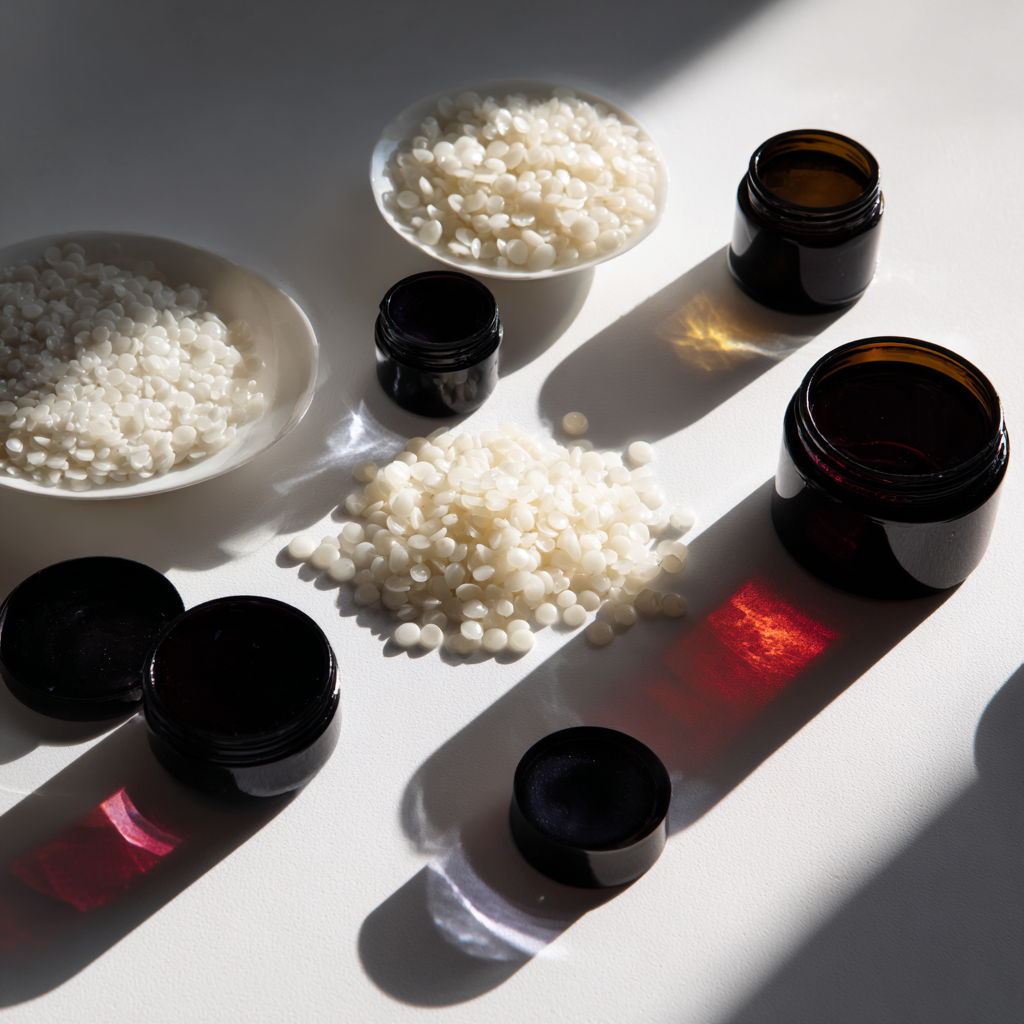
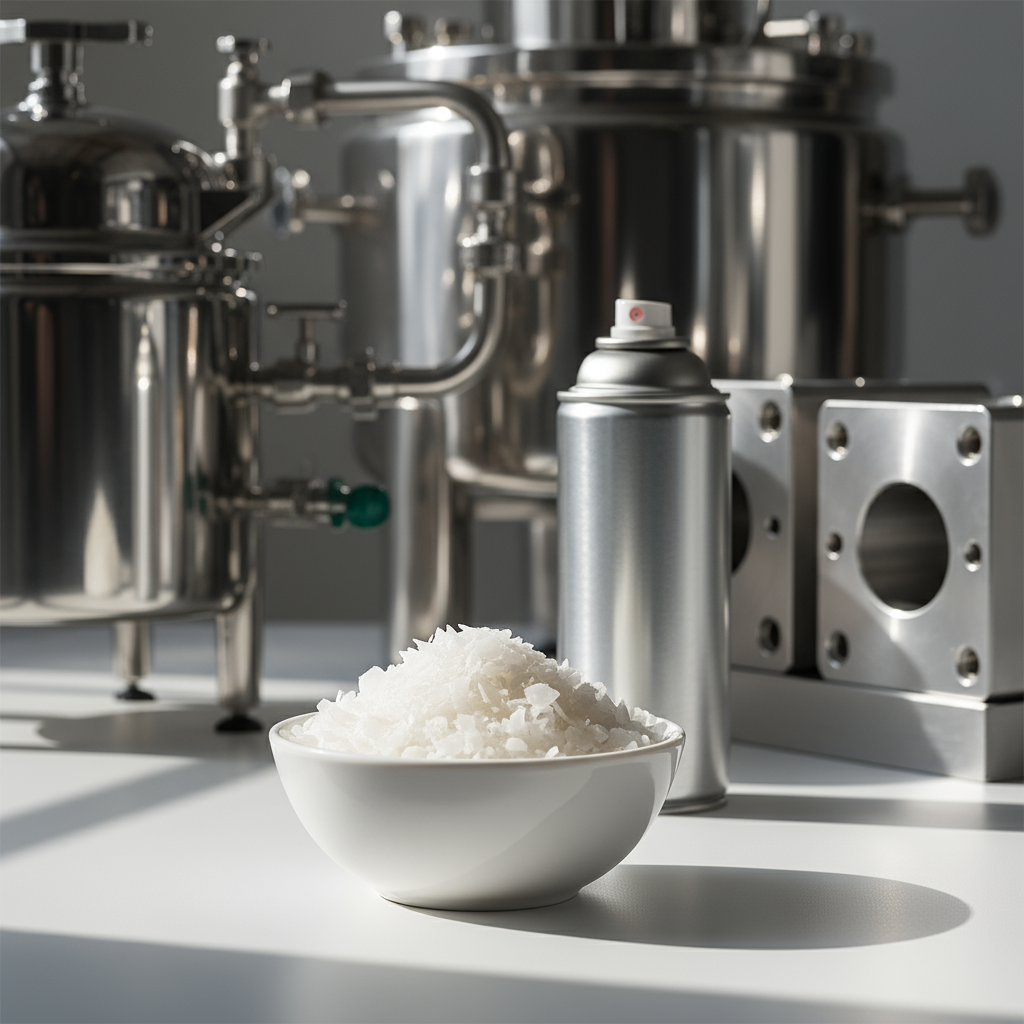
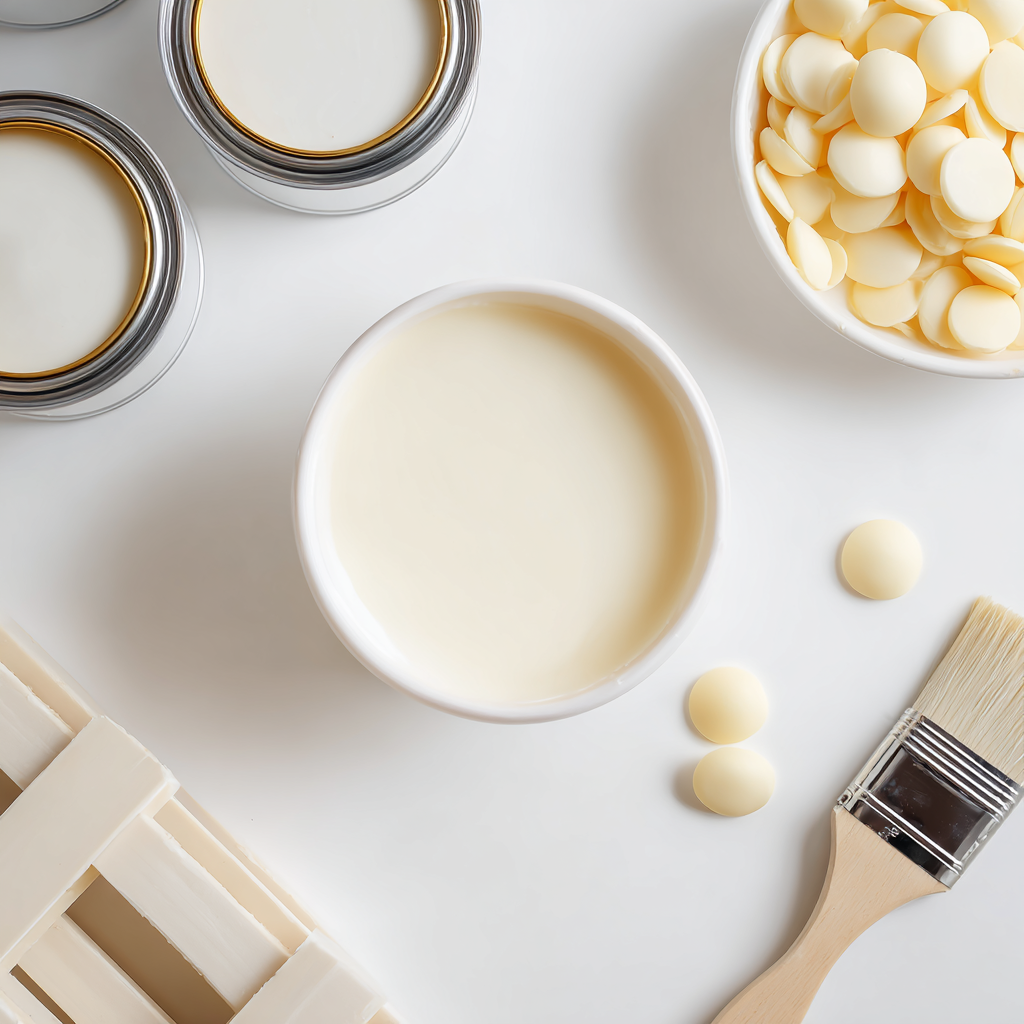

Candles
In France’s artisanal and commercial candle markets, natural waxes are valued for how well they burn, hold scent, and their appealing finish. These qualities satisfy the demands of France’s selective consumers and luxury brands.
Inks
The printing and packaging sectors in France use waxes to improve ink adhesion, gloss, and durability. These features make product labeling and packaging look better in competitive retail markets.
Industrial Coatings
Waxes are key parts of protective coatings that shield machinery and equipment in France’s automotive and aerospace industries. Their ability to resist moisture and chemicals makes them extremely useful in industrial settings.
Food Coatings
Natural waxes in France's food processing industry keep perishables safe. They seal in moisture and extend shelf life, which is important for fresh produce and candy.
Cosmetics
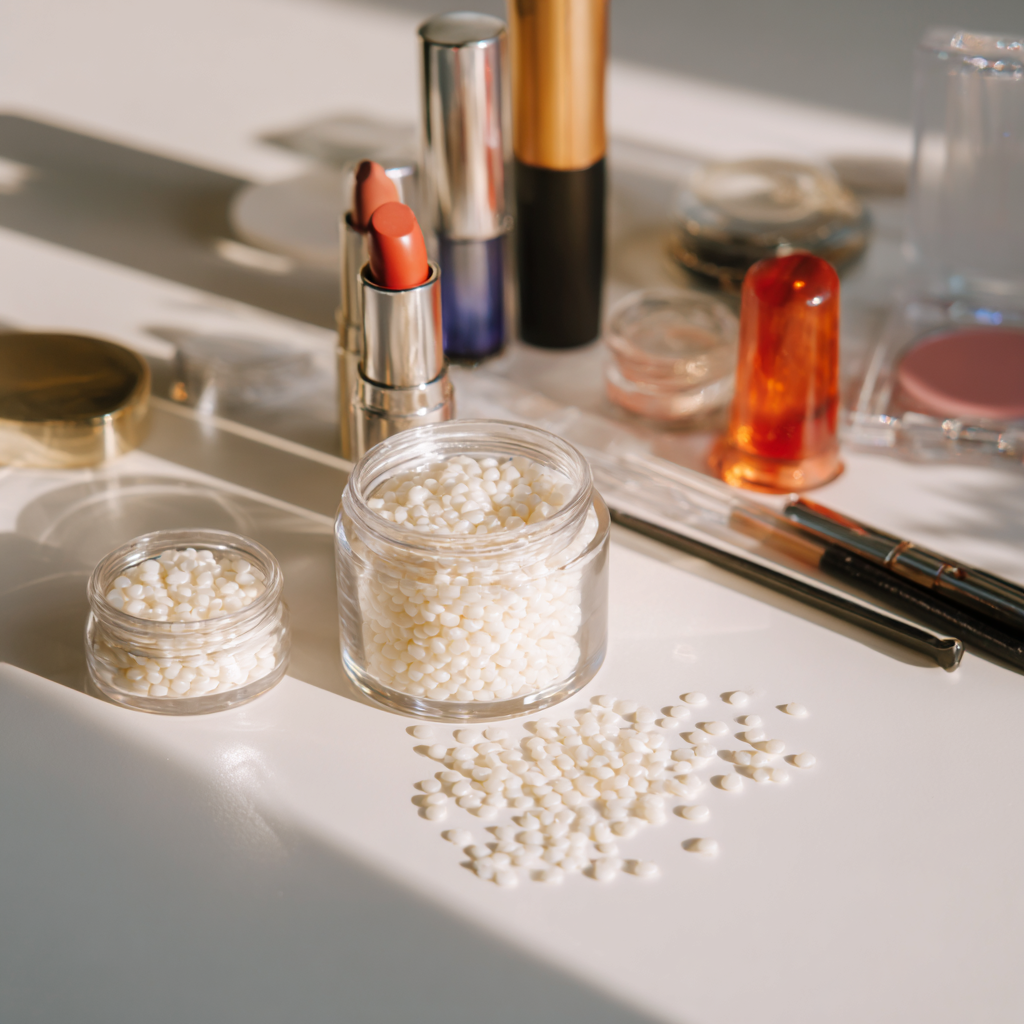
French cosmetics makers use natural waxes for their skin-conditioning benefits and hypoallergenic qualities. Wax blends improve texture and longevity in lipsticks, creams, and salves; they reinforce France’s reputation for leading beauty products.
Polishes
Polishes for cars, furniture, and shoes in France use waxes to create a protective and shiny finish. Natural waxes offer a sustainable advantage that appeals to environmentally conscious customers.
Adhesives
In making adhesives, waxes help improve flexibility and bonding strength. This supports France's manufacturing demands in packaging and assembly lines.
Pharmaceutical Coatings
Pharmaceutical manufacturers use waxes to coat tablets and capsules. This helps with controlled release and improves shelf stability while meeting French health regulations.
Paper Coatings
Paper product manufacturers in France use waxes to improve water resistance and print quality. This supports packaging innovations and sustainable paper products.
- Mount Wilder Advantage
WHY US?
Unique Formulations
Our waxes stand out due to unique refining methods that create formulas suited to specific industry needs. This guarantees top performance in various applications, from cosmetics to industrial uses, while keeping their natural quality.
R&D Capabilities
A dedicated research and development team supports continuous innovation. They adjust wax properties to meet changing needs in France’s varied markets. This helps clients improve their products.
Supply Chain Ownership
Control over the entire supply chain, from sourcing raw materials to final refining and logistics, ensures reliability, consistent quality, and timely deliveries that are crucial for France’s fast-paced industries.
Worldwide Clients
Our international client base shows our strong service and product quality. This global presence gives French manufacturers a reliable partner with known experience in wax supply and support.
- Candelilla and Carnauba Alternatives
A Cost Effective and 100% Natural Choice
Our waxes are strong alternatives to traditional ones like Carnauba, Candelilla, FT, and Paraffin waxes. They offer cost savings without reducing quality for France’s major industries that focus on sustainability.
Cost Effective Alternative to Carnauba Wax
These waxes imitate useful qualities like hardness and gloss. They also provide better availability and lower costs compared to Carnauba, which is a high-quality but limited resource.
Cost Effective Alternative to Candelilla Wax
As alternatives to Candelilla wax, these waxes offer similar film-forming abilities and water resistance at lower prices. This supports the cost strategies of French manufacturers.
Natural Alternative for FT Wax
These natural waxes act as non-toxic, biodegradable alternatives to FT waxes commonly found in coatings and polishes. They comply with France’s environmental regulations.
Natural Alternative for Paraffin Wax
Our waxes provide a renewable and natural option. They can substitute paraffin wax in many uses. This helps French industries lower their carbon footprint.
Product Development Support
In partnership with clients, we offer full product development support. This includes formulation expertise, providing samples, and giving technical guidance. Our help ensures smooth adoption and successful product launches designed for the French market.
- Easy Delivery
Destination Ports in France
Selecting the best import ports in France is important for efficient distribution and access to target industries. The country has a wide network of ports that connect well with its industrial centers for successful logistics.
France’s main ports for wax imports are Le Havre, Marseille, and Dunkirk. Le Havre acts as a key entry point for northern France, being close to Paris and the cosmetics industry. Marseille, located on the Mediterranean coast, serves southern industrial areas and food processing industries. Dunkirk helps connect to northern manufacturing hubs and automotive groups.
These ports have great connections across road, rail, and inland waterways. This makes it easier to transport goods to major commercial centers and specific manufacturing regions. Their strategic locations help lower lead times and logistics costs. This is crucial for staying competitive in France’s fast-changing markets.